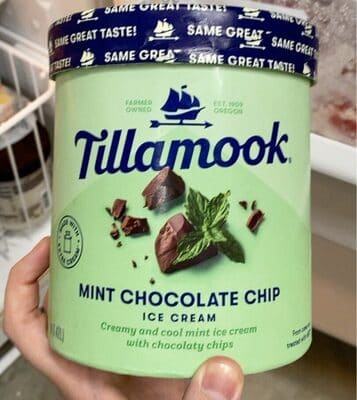
Frozen desserts
Tillamook Mint Chocolate Chip Ice Cream
1.5 qt/1.42 L
Score
- Ultra-processed
- High in sugar
- High in saturated fat
- Contains added sugars
- Seed-oil free
Why it scores 32
Tillamook Mint Chocolate Chip Ice Cream scores 32 out of 100 (Poor) under GoodSwap’s published rules. What moved the score most:
- minus 20 points Sugar: An added sugar. Strong
- minus 18 points Ultra-processed (NOVA 4): Classified NOVA 4: made with industrial ingredients and additives. Strong
- minus 11 points Sugars 25.3 g / 100 g: Very high in sugar. Strong
Every line of the math is on The Receipt below, with its evidence tier and sources.
Better ice cream
-
 Halo Top Ice Cream Chocolate Vanilla Twist Wells Less sugar · Less saturated fat Score 67 out of 100 , 35 points higher
 -
 Dark chocolate Cosmic Bliss · 14 fl oz Not ultra-processed · Less sugar Score 79 out of 100 , 47 points higher
 -
 Cosmic Bliss Chocolate peanut butter Cosmic Bliss · 14 fl oz/414 mL Less sugar · No added sugars Score 64 out of 100 , 32 points higher
 -
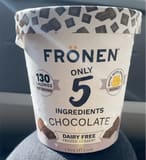 Only 5 Ingredients Chocolate Frönen · 1 pt Not ultra-processed · Less sugar Score 67 out of 100 , 35 points higher
 -
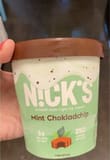 Mint Chocolate Chip Flavor N!ck's · 1 pint/473 mL Less sugar · Less saturated fat Score 55 out of 100 , 23 points higher
The same kind of product, at least 10 points higher, sold in the US. Never paid placements.
The Receipt
Mint Chocolate Chip Ice Cream
Ingredients
- Sugar minus 20 points
- Natural flavors minus 2.5 points
- Tara gum minus 2.5 points
- Guar gum minus 1.5 points
- Soy lecithin minus 1.5 points
Processing
- Ultra-processed (NOVA 4) minus 18 points
- 3 kinds of ultra-processing markers minus 3 points
Nutrition per 100 g
- Sugars 25.3 g / 100 g minus 11 points
- Saturated fat 9.5 g / 100 g minus 7 points
- Energy 253 kcal / 100 g minus 1 points
100 − 68 = 32
Can’t score above 79. Contains sugar, an ingredient of high concern. [1][2][3]
Can’t score above 79. High in saturated fat and sugars (above the front-of-pack "high" level). [7]
Nutrition per 100 g
| Energy | 253 kcal |
|---|---|
| Fat | 14.7 g |
| Saturated fat | 9.5 g |
| Trans fat | 0 g |
| Carbohydrates | 26.3 g |
| Sugars | 25.3 g |
| Added sugars | 20 g |
| Fiber | 1.1 g |
| Protein | 4.2 g |
| Salt | 0.1 g |
Serving: 23 cup (23 cup)
Ingredients
- cream
- skim milk
- milk
- sugar (high concern)
- coconut oil
- cocoa (processed with alkali)
- peanut oil
- pasteurized egg yolks
- cocoa
- natural peppermint flavor
- natural flavor
- tara gum
- guar gum
- ts 95g) soy lecithin
Label text, as published
cream, skim milk, milk, sugar, coconut oil, cocoa (processed with alkali), peanut oil, pasteurized egg yolks, cocoa, natural peppermint flavor, natural flavor, tara gum, guar gum, ts 95g) soy lecithin.
Allergens and diets
Contains: Milk, Peanuts, Soy, Egg
- Not vegan
- Palm-oil-free
Always check the package: recipes change.
More frozen desserts on GoodSwap
-
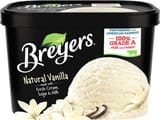 Natural Vanilla Ice Cream Breyers · 1.5 Quart/1.41 L Ultra-processedHigh in saturated fatContains added sugars Score 37 out of 100 Poor
 -
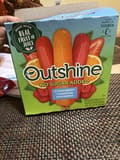 Assorted Fruit Ice Pops Outshine · 18 fl oz/532 mL Ultra-processedContains non-nutritive sweetenersContains added sugarsContains sugar alcohols Score 32 out of 100 Poor
 -
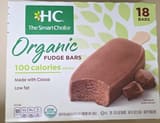 Organic Fudge Bars HC The Smart Choice · 54 fl oz/1.6 L Ultra-processedContains added sugarsCertified organic Score 29 out of 100 Poor
 - Orange cherry grape variety ice pops Unilever Ultra-processedContains added sugarsContains artificial flavorsNo synthetic dyes Score 20 out of 100 Poor
-
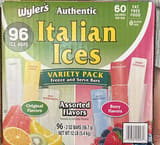 Italian Ice Freezer Pops Wyler's Dye with an EU warning labelContains synthetic dyesUltra-processedContains added sugars Score 17 out of 100 Bad
 -
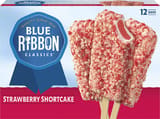 Strawberry Shortcake Blue Ribbon Classics · 36 fl oz/1.06 L Dye with an EU warning labelContains synthetic dyesUltra-processedContains added sugars Score 9 out of 100 Bad
More from Tillamook
Sources
-
Guideline: sugars intake for adults and children
“In both adults and children, WHO recommends reducing the intake of free sugars to less than 10% of total energy intake”
who.int
-
Dietary Guidelines for Americans, 2025–2030
“Limit foods and beverages that include artificial flavors, petroleum-based dyes, artificial preservatives, and low-calorie non-nutritive sweeteners.”
cdn.realfood.gov
-
Added and free sugars should be as low as possible
“Sugar consumption is a known cause of dental caries.”
efsa.europa.eu
-
21 CFR 101.22 Foods; labeling of spices, flavorings, colorings and chemical preservatives
“whose significant function in food is flavoring rather than nutritional.”
ecfr.gov
-
Saturated fatty acid and trans-fatty acid intake for adults and children: WHO guideline
“WHO recommends that adults and children reduce saturated fatty acid intake to 10% of total energy intake (strong recommendation).”
who.int
-
“Table 3: Criteria for drinks (per 100ml)”
assets.publishing.service.gov.uk
-
“Greater exposure to ultra-processed food was associated with a higher risk of adverse health outcomes, especially cardiometabolic, common mental disorder, and mortality outcomes.”
doi.org