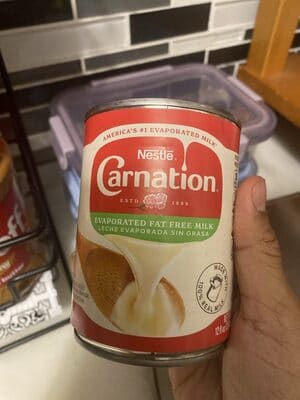
Milks
Carnation Evaporated Fat Free Milk
Score
Why it scores 96
Carnation Evaporated Fat Free Milk scores 96 out of 100 (Excellent) under GoodSwap’s published rules. What moved the score most:
- minus 2.5 points Potassium phosphate: EFSA (2019) set a group ADI for phosphates of 40 mg/kg body weight (as phosphorus) and noted that infants, toddlers and children may exceed it. Strong
- minus 1.5 points Saturated fat 4 g / 100 g: Contains some saturated fat. Counted at half for this whole-food category. Strong
Every line of the math is on The Receipt below, with its evidence tier and sources.
The Receipt
Evaporated Fat Free Milk
Ingredients
- Potassium phosphate minus 2.5 points
Nutrition per 100 g
- Saturated fat 4 g / 100 g minus 1.5 points
100 − 4 = 96
Nutrition per 100 g
| Energy | 25 kcal |
|---|---|
| Fat | 0 g |
| Saturated fat | 4 g |
| Trans fat | 0 g |
| Carbohydrates | 3 g |
| Sugars | 3 g |
| Added sugars | 0 g |
| Fiber | 0 g |
| Protein | 2 g |
| Salt | 0.1 g |
Serving: 1 Serving (30 ml)
Ingredients
Label text, as published
Nonfat Milk, Dipotassium Phosphate, Vitamin A Palmitate, Vitamin D3. Contains milk ingredients.
Allergens and diets
Contains: Milk
- Not vegan
- Palm-oil-free
Always check the package: recipes change.
More milks on GoodSwap
-
 Almondmilk Silk · 64 fl oz (1.89 L) Contains seed oils Score 92 out of 100 Excellent
 -
 Fairlife protein drink Fairlife · 6.12 L/340 mL Ultra-processedContains non-nutritive sweetenersContains emulsifiers studied for gut effects Score 49 out of 100 Okay
 -
 Evaporated Milk / Leche Evaporada Carnation · 354 mL Ultra-processedContains added sugarsContains emulsifiers studied for gut effects Score 50 out of 100 Okay
 -
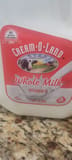 Whole milk Cream-O-Land Dairy · 1 gal No additives Score 100 out of 100 Excellent
 - Evaporated lactose free milk Nestlé Ultra-processedContains added sugarsContains emulsifiers studied for gut effects Score 50 out of 100 Okay
- Vitamin D Organic Whole Milk Organic Great Value · 1/2 gal/1.89 L Certified organicNo additives Score 100 out of 100 Excellent
More from Carnation
-
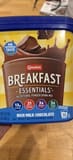 Breakfast Essentials Rich Milk Chocolate Nutritional Powder Drink Mix Carnation · 502 g Score 14 out of 100 Bad
 -
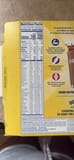 Breakfast Essentials Rich Milk Chocolate Nutritional Powder Drink Mix Carnation · 36.0 cL Score 6 out of 100 Bad
 -
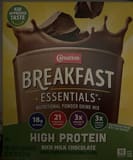 Breakfast Essentials High Protein Rich Milk Chocolate Nutritional Powder Drink Mix Carnation · 1.31 oz Score 5 out of 100 Bad
Sources
-
EFSA issues new advice on phosphates
“We estimated that dietary exposure to phosphates may exceed the new ADI for infants, toddlers and children with average consumption of phosphates in their diet.”
efsa.europa.eu
-
Saturated fatty acid and trans-fatty acid intake for adults and children: WHO guideline
“WHO recommends that adults and children reduce saturated fatty acid intake to 10% of total energy intake (strong recommendation).”
who.int