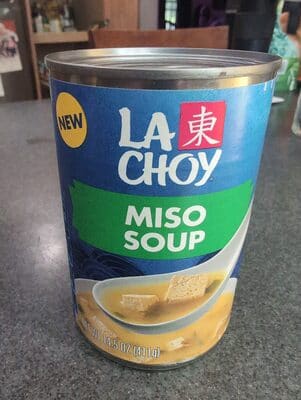
Soups
La Choy Miso Soup
14.500 oz
Score
- Contains added sugars
- No additives
Why it scores 77
La Choy Miso Soup scores 77 out of 100 (Good) under GoodSwap’s published rules. What moved the score most:
- minus 20 points Sugar: An added sugar. Strong
- minus 3 points Salt 0.8 g / 100 g: High in salt. Strong
Every line of the math is on The Receipt below, with its evidence tier and sources.
The Receipt
Miso Soup
Ingredients
- Sugar minus 20 points
Nutrition per 100 g
- Salt 0.8 g / 100 g minus 3 points
100 − 23 = 77
Can’t score above 79. Contains sugar, an ingredient of high concern. [1][2][3]
Nutrition per 100 g
| Energy | 19 kcal |
|---|---|
| Fat | 0.5 g |
| Saturated fat | 0 g |
| Trans fat | 0 g |
| Carbohydrates | 2.4 g |
| Sugars | 0.5 g |
| Added sugars | 0 g |
| Fiber | 0.2 g |
| Protein | 1 g |
| Salt | 0.8 g |
Serving: 1 can (411 g)
Ingredients
- a day is used for general nutrition adv MAGNESIUM CHLORIDE (not recognized)
- SALT
- POTASSIUM SALT
- RICE VINEGAR SAUCE (SUGAR, WATER, MISO WATER, SOYBEANS, RICE PLUM PUREE, SOY SAUCE WATER, SOYBEANS, WHEAT GARLIC, CORN STARCH, VINEGAR, SALT, MOLASSES PED TAPIOCA STARCH, SALT)
- MUSHROOM POWDER POWDER (WHITE MISO PASTE (SOYBEANS, RICE Conagra Brands, Inc. YOWDER CONTAINS SOY, WHEAT. CHICAGO, IL 60654 Scan here for more food information or call 1-800-252-0672 smartlabel))
Label text, as published
S LESS THA The % Daily Value (DV) tells you how much a nutrient in a serv contributes to a daily diet. 2,000 calories a day is used for general nutrition adv MAGNESIUM CHLORIDE, SALT, POTASSIUM SALT, RICE VINEGAR SAUCE (SUGAR, WATER, MISO WATER, SOYBEANS, RICE PLUM PUREE, SOY SAUCE WATER, SOYBEANS, WHEAT GARLIC, CORN STARCH, VINEGAR, SALT, MOLASSES PED TAPIOCA STARCH, SALT), MUSHROOM POWDER POWDER (WHITE MISO PASTE (SOYBEANS, RICE Conagra Brands, Inc. YOWDER CONTAINS SOY, WHEAT. CHICAGO, IL 60654 Scan here for more food information or call 1-800-252-0672 smartlabel
Allergens and diets
Contains: Soy, Wheat, Gluten
- Not gluten-free
Always check the package: recipes change.
More soups on GoodSwap
-
 Cream of Chicken Soup Campbell's · 10.5 oz (298 g) Ultra-processedHigh in saltContains seed oilsNo synthetic dyes Score 55 out of 100 Okay
 -
 Organic roasted chicken base Better Than Bouillon · 8 oz Ultra-processedHigh in saltContains added sugarsCertified organic Score 35 out of 100 Poor
 -
 Sirloin Burger with Country Vegetables Soup Campbell's Chunky · 533 g Ultra-processedNo synthetic dyes Score 47 out of 100 Okay
 -
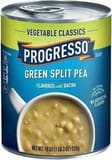 Green split pea Progresso · 19 oz (1 lb 3 oz) 538 g Ultra-processedContains nitrites or nitratesContains added sugars Score 29 out of 100 Poor
 -
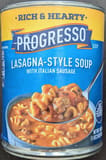 Lasagna-Style Soup with Italian Sausage Progresso · 524 g Ultra-processedContains added sugarsContains seed oilsContains palm oil Score 21 out of 100 Poor
 -
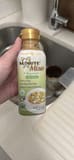 1Minute Miso Organic Original Hikari Miso · 10 oz High in saltContains added sugarsCertified organic Score 52 out of 100 Okay
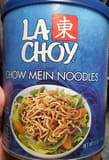
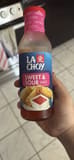
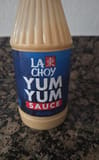
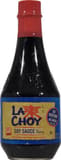
More from La Choy
Sources
-
Guideline: sugars intake for adults and children
“In both adults and children, WHO recommends reducing the intake of free sugars to less than 10% of total energy intake”
who.int
-
Dietary Guidelines for Americans, 2025–2030
“Limit foods and beverages that include artificial flavors, petroleum-based dyes, artificial preservatives, and low-calorie non-nutritive sweeteners.”
cdn.realfood.gov
-
Added and free sugars should be as low as possible
“Sugar consumption is a known cause of dental caries.”
efsa.europa.eu
-
“For adults, WHO recommends less than 2000 mg/day of sodium (equivalent to less than 5 g/day salt), or just under a teaspoon.”
who.int