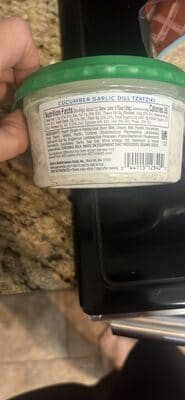
Tzatzikis
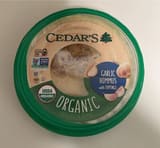
Cedar's Tzatziki Cucumber Garlic Dill
12 oz
Score
- Ultra-processed
Why it scores 61
Cedar's Tzatziki Cucumber Garlic Dill scores 61 out of 100 (Good) under GoodSwap’s published rules. What moved the score most:
- minus 18 points Ultra-processed (NOVA 4): Classified NOVA 4: made with industrial ingredients and additives. Strong
- minus 3 points 3 kinds of ultra-processing markers: Industrial additive classes found: industrial protein, modified starch and thickener, stabilizer or gelling agent. Emerging
- minus 3 points Sugars 7.1 g / 100 g: Contains some sugar. Strong
Every line of the math is on The Receipt below, with its evidence tier and sources.
Better dips and spreads
-
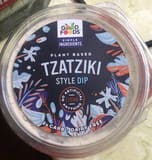 Plant Based Tzatziki Style Dip Good Foods · 8 oz/226 g Not ultra-processed · No modified starch Score 92 out of 100 , 31 points higher
 -
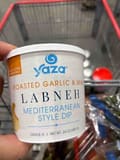 Roasted Garlic & Mint Labneh Mediterranean Style Dip Yaza · 24 oz Not ultra-processed · No modified starch Score 96 out of 100 , 35 points higher
 -
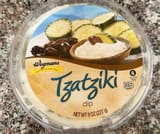 Tzatziki dip Wegmans · 8 oz/227 g Not ultra-processed · No modified starch Score 90 out of 100 , 29 points higher
 -
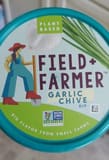 Garlic Chive Dip Field & Farmer · 8 oz/227 g Not ultra-processed · No modified starch Score 100 out of 100 , 39 points higher
 -
 Tzatziki Greek Yogurt, Cucumber & Dill Dip Haig's Delicacies · 8 oz Not ultra-processed · No modified starch Score 79 out of 100 , 18 points higher
The same kind of product, at least 10 points higher, sold in the US. Never paid placements.
The Receipt
Tzatziki Cucumber Garlic Dill
Ingredients
- Milk protein concentrate / isolate minus 2.5 points
- Modified starch minus 2.5 points
- Pectin minus 2.5 points
- Natamycin minus 1.5 points
Processing
- Ultra-processed (NOVA 4) minus 18 points
- 3 kinds of ultra-processing markers minus 3 points
Nutrition per 100 g
- Sugars 7.1 g / 100 g minus 3 points
- Saturated fat 3.6 g / 100 g minus 3 points
- Salt 0.9 g / 100 g minus 3 points
100 − 39 = 61
Nutrition per 100 g
| Energy | 125 kcal |
|---|---|
| Fat | 5.4 g |
| Saturated fat | 3.6 g |
| Trans fat | 0 g |
| Carbohydrates | 10.7 g |
| Sugars | 7.1 g |
| Added sugars | 0 g |
| Fiber | 0 g |
| Protein | 7.1 g |
| Salt | 0.9 g |
Serving: 1 Serving (28 g)
Ingredients
Label text, as published
YOGURT (GRADE A PASTEURIZED SKIM MILK, CREAM, MILK PROTEIN CONCENTRATE, FOOD STARCH, GELATIN, PECTIN, CULTURES (STREPTOCOCCUS THERMOPHILUS, LACTOBACILLUS DELBRUECKII SUB SP. BULGARICUS, LACTOBACILLUS PARACASEI, PROPIONIBACTERIUM FREUDENREICHII SHERMANII), CUCUMBERS, GARLIC, SEA SALT, WHITE VINEGAR, DILL, NATAMYCIN (A NATURAL PRESERVATIVE). CONTAINS MILK.
Allergens and diets
Contains: Milk
- Not vegan
- Not vegetarian
- Palm-oil-free
Always check the package: recipes change.
More tzatzikis on GoodSwap

More from Cedar's

Sources
-
11. List of Permitted Preservatives (Lists of Permitted Food Additives)
“B.2 Butylated Hydroxyanisole n/a (a) Active dry yeasts (a) Preservative (a) 1,000 ppm n/a”
canada.ca
-
Guideline: sugars intake for adults and children
“In both adults and children, WHO recommends reducing the intake of free sugars to less than 10% of total energy intake”
who.int
-
Saturated fatty acid and trans-fatty acid intake for adults and children: WHO guideline
“WHO recommends that adults and children reduce saturated fatty acid intake to 10% of total energy intake (strong recommendation).”
who.int
-
“For adults, WHO recommends less than 2000 mg/day of sodium (equivalent to less than 5 g/day salt), or just under a teaspoon.”
who.int
-
“Greater exposure to ultra-processed food was associated with a higher risk of adverse health outcomes, especially cardiometabolic, common mental disorder, and mortality outcomes.”
doi.org