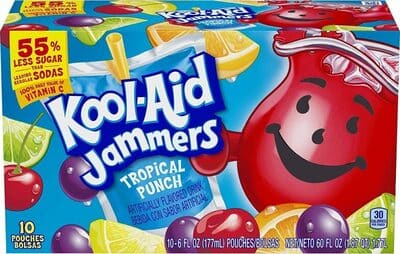
Juices and nectars
Kool-Aid Jammers Tropical Punch
1.87 qtl
Score
- Contains synthetic dyes
- Ultra-processed
- Contains non-nutritive sweeteners
- Contains added sugars
- Contains artificial flavors
Why it scores 31
Kool-Aid Jammers Tropical Punch scores 31 out of 100 (Poor) under GoodSwap’s published rules. What moved the score most:
- minus 20 points High fructose corn syrup: An added sugar. Strong
- minus 18 points Ultra-processed (NOVA 4): Classified NOVA 4: made with industrial ingredients and additives. Strong
- minus 7.5 points Sucralose: In a 2022 randomized study, sucralose and saccharin altered the gut microbiome and impaired glucose responses in some people; a 2023 lab study raised questions about its by-product sucralose-6-acetate. Strong
Every line of the math is on The Receipt below, with its evidence tier and sources.
Better juices and juice drinks
-
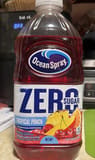 Tropical Punch Ocean Spray · 8 oz No synthetic dyes · No added sugars Score 75 out of 100 , 44 points higher
 -
 Tropical rescue suja ORGANIC · 12 fl oz/354 mL No synthetic dyes · Not ultra-processed Score 68 out of 100 , 37 points higher
 -
 Tropical Medley Antioxidant Blend Juice Good 2 Grow · 6 fl oz No synthetic dyes · Not ultra-processed Score 85 out of 100 , 54 points higher
 -
 Fruit Punch Simply Nature No synthetic dyes · No non-nutritive sweeteners Score 85 out of 100 , 54 points higher
 -
 Tropical Passion Evolution Fresh · 15.2 fl oz/450 mL No synthetic dyes · Not ultra-processed Score 90 out of 100 , 59 points higher
The same kind of product, at least 10 points higher, sold in the US. Never paid placements.
The Receipt
Kool-Aid Jammers Tropical Punch
Ingredients
- High fructose corn syrup minus 20 points
- Sucralose minus 7.5 points
- Blue 1 minus 7.5 points
- Natural and artificial flavors minus 1.5 points
- Calcium disodium EDTA minus 1.5 points
Processing
- Ultra-processed (NOVA 4) minus 18 points
- 5 kinds of ultra-processing markers minus 6 points
Nutrition per 100 ml
- Sugars 2.8 g / 100 ml minus 6 points
- Energy 13 kcal / 100 ml minus 1 points
100 − 69 = 31
Can’t score above 79. Contains high fructose corn syrup, an ingredient of high concern. [1][2][3][4]
Nutrition per 100 ml
| Energy | 13 kcal |
|---|---|
| Fat | 0 g |
| Saturated fat | 0 g |
| Trans fat | 0 g |
| Carbohydrates | 3.1 g |
| Sugars | 2.8 g |
| Added sugars | 2.8 g |
| Fiber | 0 g |
| Protein | 0 g |
| Salt | 0 g |
Serving: 2 pouch (354 g)
Ingredients
- FILTERED WATER
- HIGH FRUCTOSE CORN SYRUP (high concern)
- CITRIC ACID
- ASCORBIC ACID (VITAMIN C)
- NATURAL AND ARTIFICIAL FLAVOR
- SUCRALOSE (SWEETENER) (moderate concern)
- BLUE 1 (moderate concern)
- CALCIUM DISODIUM EDTA (TO PRESERVE FRESHNESS)
Label text, as published
FILTERED WATER, HIGH FRUCTOSE CORN SYRUP, CONTAINS LESS THAN 2% OF CITRIC ACID, ASCORBIC ACID (VITAMIN C), NATURAL AND ARTIFICIAL FLAVOR, SUCRALOSE (SWEETENER), BLUE 1, CALCIUM DISODIUM EDTA (TO PRESERVE FRESHNESS).
Allergens and diets
- Palm-oil-free
Always check the package: recipes change.
More juices and nectars on GoodSwap
-
 Low Sodium Vegetable Juice V8 · 64 fl oz Ultra-processedNo synthetic dyes Score 70 out of 100 Good
 -
 Blue Machine Naked · 450 mL Ultra-processedHigh in sugarContains added sugars Score 36 out of 100 Poor
 -
 100% Juice Cranberry Ocean Spray · 64 fl oz/1.89 L Ultra-processedContains added sugars Score 53 out of 100 Okay
 -
 Grape Cranberry Juice Drink Ocean Spray · 240 mL Ultra-processedContains added sugars Score 33 out of 100 Poor
 -
 OJ with Pulp Uncle Matt's · 52 fl oz/1.62 Quart/1.53 L Certified organicNo additives Score 100 out of 100 Excellent
 -
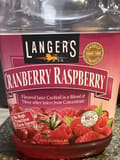 Juice Cocktail Langer Juice Company Inc. · 237 mL Ultra-processedContains added sugarsNo synthetic dyes Score 53 out of 100 Okay
Sources
-
Guideline: sugars intake for adults and children
“In both adults and children, WHO recommends reducing the intake of free sugars to less than 10% of total energy intake”
who.int
-
Dietary Guidelines for Americans, 2025–2030
“Limit foods and beverages that include artificial flavors, petroleum-based dyes, artificial preservatives, and low-calorie non-nutritive sweeteners.”
cdn.realfood.gov
-
Added and free sugars should be as low as possible
“Sugar consumption is a known cause of dental caries.”
efsa.europa.eu
-
21 CFR 184.1866 High fructose corn syrup
“a sweet, nutritive saccharide mixture containing either approximately 42 or 55 percent fructose”
ecfr.gov
-
Personalized microbiome-driven effects of non-nutritive sweeteners on human glucose tolerance
“As groups, each administered NNS distinctly altered stool and oral microbiome and plasma metabolome, whereas saccharin and sucralose significantly impaired glycemic responses.”
doi.org
-
“Sucralose-6-acetate significantly increased the expression of genes associated with inflammation, oxidative stress, and cancer”
doi.org
-
“EFSA’s experts concluded that the sweetener sucralose (E 955) continues to be safe for consumers for its currently authorised uses as a food additive.”
efsa.europa.eu
-
WHO advises not to use non-sugar sweeteners for weight control in newly released guideline
“The recommendation is based on the findings of a systematic review of the available evidence which suggests that use of NSS does not confer any long-term benefit in reducing body fat in adults or children.”
who.int
-
Tracking Food Industry Pledges to Remove Petroleum Based Food Dyes
“FD&C Green No. 3, FD&C Red No. 40, FD&C Yellow No. 5, FD&C Yellow No. 6, FD&C Blue No. 1, and FD&C Blue No. 2—by the end of 2027.”
fda.gov
-
California AB 2316 (2024), Pupil nutrition: substances: prohibition
“beginning December 31, 2027, would prohibit a school district, county superintendent of schools, or charter school”
leginfo.legislature.ca.gov
-
21 CFR 101.22 Foods; labeling of spices, flavorings, colorings and chemical preservatives
“whose significant function in food is flavoring rather than nutritional.”
ecfr.gov
-
HHS, FDA to Phase Out Petroleum-Based Synthetic Dyes in Nation’s Food Supply (press release)
“Initiating the process to revoke authorization for two synthetic food colorings—Citrus Red No. 2 and Orange B—within the coming months.”
fda.gov
-
“Greater exposure to ultra-processed food was associated with a higher risk of adverse health outcomes, especially cardiometabolic, common mental disorder, and mortality outcomes.”
doi.org