Cheeses
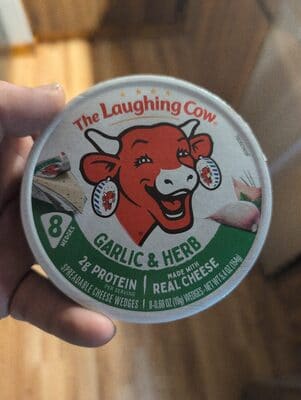
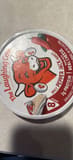
The Laughing Cow Garlic & Herb Spreadable Cheese Wedges
Score
- Ultra-processed
Why it scores 69
The Laughing Cow Garlic & Herb Spreadable Cheese Wedges scores 69 out of 100 (Good) under GoodSwap’s published rules. What moved the score most:
- minus 18 points Ultra-processed (NOVA 4): Classified NOVA 4: made with industrial ingredients and additives. Strong
- minus 3 points 3 kinds of ultra-processing markers: Industrial additive classes found: flavoring, industrial protein and sequestrant. Emerging
- minus 2.5 points Milk protein concentrate / isolate: An ingredient typical of ultra-processed foods (NOVA group 4). Info
Every line of the math is on The Receipt below, with its evidence tier and sources.
Better spreadable cheese
-
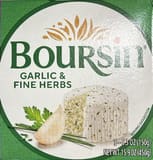 Garlic & Fine Herbs Boursin Not ultra-processed · No sodium hexametaphosphate Score 79 out of 100 , 10 points higher
 -
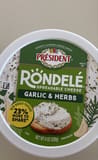 Spreadable Cheese, Garlic & Herbs Rondele · 23 g Not ultra-processed · No sodium hexametaphosphate Score 79 out of 100 , 10 points higher
 -
 Garlic & Herb Cheese Curds Dutch Country Cheese · 4 oz Not ultra-processed · No sodium hexametaphosphate Score 79 out of 100 , 10 points higher
 -
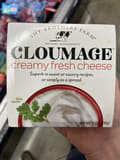 Shy Brothers Farm, Cloumage, Creamy Fresh Cheese Spread Shy Brothers Farm Llc · 7 oz Not ultra-processed · No sodium hexametaphosphate Score 89 out of 100 , 20 points higher
 -
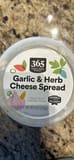 Garlic & Herb Cheese Spread 365 Whole Foods Market · 9 oz Not ultra-processed · No sodium hexametaphosphate Score 79 out of 100 , 10 points higher
The same kind of product, at least 10 points higher, sold in the US. Never paid placements.
The Receipt
Garlic & Herb Spreadable Cheese Wedges
Ingredients
- Milk protein concentrate / isolate minus 2.5 points
- Sodium hexametaphosphate minus 2.5 points
- Calcium phosphate minus 2.5 points
- Natural flavors minus 1.5 points
Processing
- Ultra-processed (NOVA 4) minus 18 points
- 3 kinds of ultra-processing markers minus 3 points
Nutrition per 100 g
- Salt 0.4 g / 100 g minus 1 points
100 − 31 = 69
Nutrition per 100 g
| Energy | 25 kcal |
|---|---|
| Fat | 1.5 g |
| Saturated fat | 1 g |
| Trans fat | 0 g |
| Carbohydrates | 1 g |
| Sugars | 1 g |
| Added sugars | 0 g |
| Fiber | 0 g |
| Protein | 2 g |
| Salt | 0.4 g |
Serving: 19g
Ingredients
- Cheddar
- Semisoft (not recognized)
- Swiss Cheese (Pasteurized Cultured Milk and Part- Skim Milk, Salt, Enzymes)
- Whey
- Milk Protein Concentrate
- Water
- Skim Milk
- Sodium Polyphosphate
- Each: Tricalcium Phosphate
- Natural Flavor
- Salt
- Citric Acid
- Parsley
- Vitamins ( Cholecalciferol [ Vitamin D] and Vitamin A Acetate)
- Dehydrated Onion
- Garlic Extract
Label text, as published
Cheddar, Semisoft, and Swiss Cheese ( Pasteurized Cultured Milk and Part- Skim Milk, Salt, Enzymes), Whey, Milk Protein Concentrate, Water, Skim Milk, Sodium Polyphosphate, Less than 2% of Each: Tricalcium Phosphate, Natural Flavor, Salt, Citric Acid, Parsley, Vitamins ( Cholecalciferol [ Vitamin D] and Vitamin A Acetate), Dehydrated Onion, Garlic Extract.
Allergens and diets
Contains: Milk
- Not vegan
- Palm-oil-free
Always check the package: recipes change.
More cheeses on GoodSwap
-
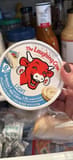 Light Laughing Cow Cheese Wedges The Laughing Cow · 8 × 19 g Ultra-processedHigh in saltHigh in saturated fat Score 66 out of 100 Good
 -
 Low Fat Cottage Cheese Darigold · 113 g Ultra-processedContains emulsifiers studied for gut effectsMay contain traces of 1,4-dioxane Score 57 out of 100 Okay
 -
 String Cheese Frigo Cheese Heads · 28 g High in saltHigh in saturated fat Score 79 out of 100 Good
 -
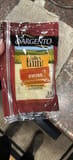 Ultra Thin Swiss Cheese Sargento · 6.84 oz/193 g High in saturated fat Score 79 out of 100 Good
 -
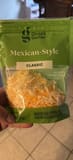 Mexican-Style Classic Good & Gather · 8 oz Ultra-processedHigh in saltHigh in saturated fatNo synthetic dyes Score 73 out of 100 Good
 -
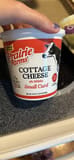 Cottage Cheese Small Curd Prairie Farms · 24 oz Ultra-processedContains added sugarsContains emulsifiers studied for gut effects Score 47 out of 100 Okay
More from The Laughing Cow


Sources
-
EFSA issues new advice on phosphates
“We estimated that dietary exposure to phosphates may exceed the new ADI for infants, toddlers and children with average consumption of phosphates in their diet.”
efsa.europa.eu
-
21 CFR 101.22 Foods; labeling of spices, flavorings, colorings and chemical preservatives
“whose significant function in food is flavoring rather than nutritional.”
ecfr.gov
-
“For adults, WHO recommends less than 2000 mg/day of sodium (equivalent to less than 5 g/day salt), or just under a teaspoon.”
who.int
-
“Greater exposure to ultra-processed food was associated with a higher risk of adverse health outcomes, especially cardiometabolic, common mental disorder, and mortality outcomes.”
doi.org