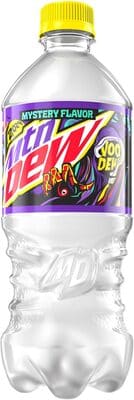
Drink
Mountain Dew 2024 Mystery Flavor Mountain Dew: VOODEW - (20 OZ)
1 (X) 20 oz bottle
Score
- Ultra-processed
- High in sugar
- Contains added sugars
Why it scores 35
Mountain Dew 2024 Mystery Flavor Mountain Dew: VOODEW - (20 OZ) scores 35 out of 100 (Poor) under GoodSwap’s published rules. What moved the score most:
- minus 20 points High fructose corn syrup: An added sugar. Strong
- minus 18 points Ultra-processed (NOVA 4): Classified NOVA 4: made with industrial ingredients and additives. Strong
- minus 14 points Sugars 73 g / 100 ml: Very high in sugar. Strong
Every line of the math is on The Receipt below, with its evidence tier and sources.
Better sodas
-
 Mountain Zevia Soda Zevia · 12 fl oz/355 mL Less sugar · No added sugars Score 73 out of 100 , 38 points higher
 -
 Creamy Root Beer Deviant · 12 fl oz Less sugar · No added sugars Score 76 out of 100 , 41 points higher
 -
 Grape Soda Zevia · 12 fl oz/355 mL Less sugar · No added sugars Score 76 out of 100 , 41 points higher
 -
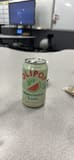 Watermelon Lime OLIPOP Not ultra-processed · Less sugar Score 91 out of 100 , 56 points higher
 -
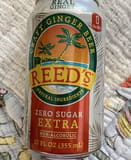 Ginger beer Reed's · 12 oz Less sugar · No added sugars Score 76 out of 100 , 41 points higher
The same kind of product, at least 10 points higher, sold in the US. Never paid placements.
The Receipt
2024 Mystery Flavor Mountain Dew: VOODEW - (20 OZ)
Ingredients
- High fructose corn syrup minus 20 points
- Sodium benzoate minus 7.5 points
- Potassium sorbate minus 2.5 points
- Glycerol ester of rosin (ester gum) minus 1.5 points
Processing
- Ultra-processed (NOVA 4) minus 18 points
- 2 kinds of ultra-processing markers minus 1.5 points
Nutrition per 100 g
- Sugars 73 g / 100 ml minus 14 points
100 − 65 = 35
Can’t score above 79. Contains high fructose corn syrup, an ingredient of high concern. [1][2][3][4]
Can’t score above 79. High in sugars (above the front-of-pack "high" level). [11]
Nutrition per 100 g
| Fat | 0 g |
|---|---|
| Carbohydrates | 73 g |
| Sugars | 73 g |
| Protein | 0 g |
| Salt | 0.2 g |
Ingredients
- 0% carbonated water
- high fructose corn syrup value natural and artificial flavor (high concern)
- citric acid. gum arabic
- sodium benzoate (preserves freshness caffeine, sodium citrate, potassium sorbate 4% (preserves freshness), glycerol ester of rosin calcium disodium edta) (moderate concern)
Label text, as published
0% carbonated water, high fructose corn syrup value natural and artificial flavor, citric acid. gum arabic, sodium benzoate (preserves freshness caffeine, sodium citrate, potassium sorbate 4% (preserves freshness), glycerol ester of rosin calcium disodium edta (to protect flavor bottled under the authority of pepsico, inc. purchase, ny 10577. 27% w 23430 jd
More from Mountain Dew
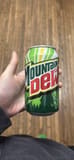
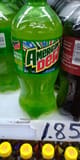
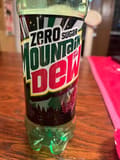
Also popular on GoodSwap
Sources
-
Guideline: sugars intake for adults and children
“In both adults and children, WHO recommends reducing the intake of free sugars to less than 10% of total energy intake”
who.int
-
Dietary Guidelines for Americans, 2025–2030
“Limit foods and beverages that include artificial flavors, petroleum-based dyes, artificial preservatives, and low-calorie non-nutritive sweeteners.”
cdn.realfood.gov
-
Added and free sugars should be as low as possible
“Sugar consumption is a known cause of dental caries.”
efsa.europa.eu
-
21 CFR 184.1866 High fructose corn syrup
“a sweet, nutritive saccharide mixture containing either approximately 42 or 55 percent fructose”
ecfr.gov
-
“Artificial colours or a sodium benzoate preservative (or both) in the diet result in increased hyperactivity in 3-year-old and 8/9-year-old children in the general population.”
doi.org
-
Re-evaluation of benzyl alcohol (E 1519) as food additive (records the 2016 benzoate re-evaluation)
“derived a group ADI of 5 mg/kg bw per day (expressed as benzoic acid) in accordance with the ADI previously derived by SCF and JECFA”
doi.org
-
“By applying a default uncertainty factor of 100, the Panel established a group ADI expressed as 11 mg sorbic acid/kg bw per day for sorbic acid (E 200) and its potassium salt (E 202).”
doi.org
-
21 CFR 182.3640 Potassium sorbate
ecfr.gov
-
“Table 3: Criteria for drinks (per 100ml)”
assets.publishing.service.gov.uk
-
“Greater exposure to ultra-processed food was associated with a higher risk of adverse health outcomes, especially cardiometabolic, common mental disorder, and mortality outcomes.”
doi.org