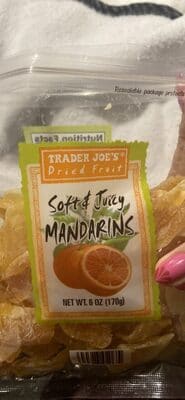
Dried fruits
Trader Joe's Soft & Juicy Mandarins
6 oz
Score
- High in sugar
- Contains added sugars
Why it scores 50
Trader Joe's Soft & Juicy Mandarins scores 50 out of 100 (Okay) under GoodSwap’s published rules. What moved the score most:
- minus 20 points Sugar: An added sugar. Strong
- minus 14 points Sugars 75 g / 100 g: Very high in sugar. Strong
- minus 8 points Processed (NOVA 3): Classified NOVA 3: processed with added salt, sugar or oil. Emerging
Every line of the math is on The Receipt below, with its evidence tier and sources.
Better dried fruit
-
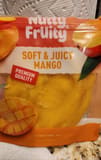 Soft & Juicy Mango Nutty & Fruity · 5 oz No added sugars · No sugar Score 79 out of 100 , 29 points higher
 -
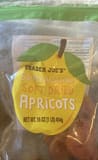 Soft Dried Apricots Trader Joe's · 16 oz No added sugars · No sugar Score 79 out of 100 , 29 points higher
 -
 Organic Soft Dried Apricots Great Lakes International Trading · 16 oz (1 lb) No added sugars · No sugar Score 79 out of 100 , 29 points higher
 -
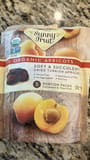 Organic Apricots Soft & Succulent Dried Turkish Apricots Sunny Fruit No added sugars · No sugar Score 79 out of 100 , 29 points higher
 -
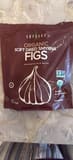 Organic Soft Dried Smyrna Figs Amphora · 170 g No added sugars · No sugar Score 79 out of 100 , 29 points higher
The same kind of product, at least 10 points higher, sold in the US. Never paid placements.
The Receipt
Soft & Juicy Mandarins
Ingredients
- Sugar minus 20 points
- Sulfur dioxide minus 7.5 points
Processing
- Processed (NOVA 3) minus 8 points
Nutrition per 100 g
- Sugars 75 g / 100 g minus 14 points
- Salt 0.5 g / 100 g minus 1 points
- Energy 350 kcal / 100 g minus 2 points
- Fiber 5 g / 100 g plus 2 points
100 − 50.5 = 49.5 → 50
Can’t score above 79. Contains sugar, an ingredient of high concern. [1][2][3]
Can’t score above 79. High in sugars (above the front-of-pack "high" level). [9]
Nutrition per 100 g
| Energy | 350 kcal |
|---|---|
| Fat | 0 g |
| Carbohydrates | 90 g |
| Sugars | 75 g |
| Fiber | 5 g |
| Protein | 0 g |
| Salt | 0.5 g |
Serving: 12 pieces (40 g)
Ingredients
Label text, as published
MANDARIN ORANGE SEGMENTS, SUGAR, SULFUR DIOXIDE (FOR FRESHNESS)
Allergens and diets
Contains: Sulphites
- Vegan
- Vegetarian
- Gluten-free
- Palm-oil-free
Always check the package: recipes change.
More dried fruits on GoodSwap
-
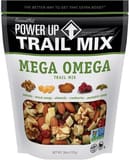 Mega Omega Power Up Premium Trail Mix · 737 g High in sugarContains added sugarsContains seed oils Score 57 out of 100 Okay
 -
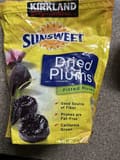 Dried Plums Kirkland Signature · 3.5 lb High in sugar Score 79 out of 100 Good
 -
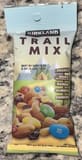 Trail Mix Kirkland Signature · 57 g (2 oz) Dye with an EU warning labelContains synthetic dyesUltra-processedContains added sugars Score 19 out of 100 Bad
 -
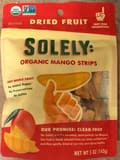 Organic Dried Fruit Mango Strips Solely · 5 oz High in sugarCertified organicNo additives Score 79 out of 100 Good
 -
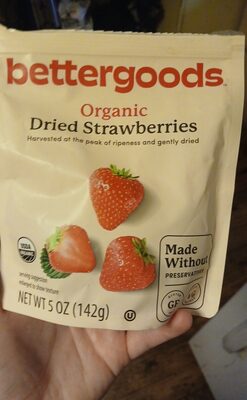 Organic Dried Strawberries Bettergoods · 142 g High in sugarContains added sugarsContains seed oilsCertified organic Score 56 out of 100 Okay
 -
 Roasted Nut Stuffed Dates Freakin’ Wholesome High in sugarNo additives Score 79 out of 100 Good
More from Trader Joe's
Sources
-
Guideline: sugars intake for adults and children
“In both adults and children, WHO recommends reducing the intake of free sugars to less than 10% of total energy intake”
who.int
-
Dietary Guidelines for Americans, 2025–2030
“Limit foods and beverages that include artificial flavors, petroleum-based dyes, artificial preservatives, and low-calorie non-nutritive sweeteners.”
cdn.realfood.gov
-
Added and free sugars should be as low as possible
“Sugar consumption is a known cause of dental caries.”
efsa.europa.eu
-
Regulation (EU) No 1169/2011 of 25 October 2011 on the provision of food information to consumers
“ANNEX II SUBSTANCES OR PRODUCTS CAUSING ALLERGIES OR INTOLERANCES 1. Cereals containing gluten, namely: wheat, rye, barley, oats, spelt, kamut or their hybridised strains”
eur-lex.europa.eu
-
“1. Cereals containing gluten, namely: wheat (such as spelt and khorasan wheat), rye, barley, oats or their hybridised strains, and products thereof”
legislation.gov.uk
-
“For adults, WHO recommends less than 2000 mg/day of sodium (equivalent to less than 5 g/day salt), or just under a teaspoon.”
who.int
-
“Table 3: Criteria for drinks (per 100ml)”
assets.publishing.service.gov.uk