Sauces
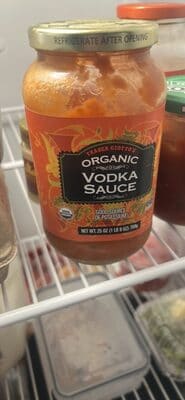
Trader Giotto's Organic Vodka Sauce
25 oz
Score
- Ultra-processed
- Certified organic
- Seed-oil free
Why it scores 75
Trader Giotto's Organic Vodka Sauce scores 75 out of 100 (Good) under GoodSwap’s published rules. What moved the score most:
- minus 18 points Ultra-processed (NOVA 4): Classified NOVA 4: made with industrial ingredients and additives. Strong
- plus 5 points Certified organic: Carries a certified-organic label. Info
- minus 3 points Sugars 5.6 g / 100 g: Contains some sugar. Strong
Every line of the math is on The Receipt below, with its evidence tier and sources.
Better pasta sauces
-
 Organic Pasta Sauce Vodka & Cream Sonoma Gourmet · 25 oz Not ultra-processed · No powdered cellulose Score 96 out of 100 , 21 points higher
 -
 Organic Classic Marinara Pasta Sauce Muir Glen · 23.5 oz Not ultra-processed · No powdered cellulose Score 100 out of 100 , 25 points higher
 -
 Sonoma Gourmet Organic Creamy Tomato With Basil Pasta Sauce Sonoma Gourmet · 25 oz Not ultra-processed · No powdered cellulose Score 99 out of 100 , 24 points higher
 -
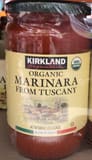 Organic marinara feom Tuscany Kirkland · 680 g Not ultra-processed · No powdered cellulose Score 100 out of 100 , 25 points higher
 -
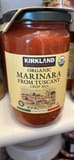 Organic Marinara Kirkland Signature · 680 g Not ultra-processed · No powdered cellulose Score 99 out of 100 , 24 points higher
The same kind of product, at least 10 points higher, sold in the US. Never paid placements.
The Receipt
Organic Vodka Sauce
Ingredients
- Powdered cellulose minus 2.5 points
- Spirits minus 2.5 points
Processing
- Ultra-processed (NOVA 4) minus 18 points
Nutrition per 100 g
- Sugars 5.6 g / 100 g minus 3 points
- Saturated fat 1.2 g / 100 g minus 1 points
- Salt 1.1 g / 100 g minus 3 points
Bonuses
- Certified organic plus 5 points
100 − 25 = 75
Nutrition per 100 g
| Energy | 64 kcal |
|---|---|
| Fat | 2.4 g |
| Saturated fat | 1.2 g |
| Carbohydrates | 8.8 g |
| Sugars | 5.6 g |
| Added sugars | 0 g |
| Fiber | 1.6 g |
| Protein | 1.6 g |
| Salt | 1.1 g |
Serving: 1 serving (125 g)
Ingredients
- Organic tomatoes
- organic tomato puree (water, organic tomato paste)
- organic heavy cream (milk)
- organic sweet whey
- organic onions
- salt
- organic parmesan cheese (cultured pasteurized organic milk, salt, powdered cellulose, microbial enzymes)
- organic extra virgin olive oil
- organic garlic puree (organic garlic, water)
- organic lemon juice concentrate
- organic basil
- organic vodka (potato)
- organic oregano
Label text, as published
Organic tomatoes, organic tomato puree (water, organic tomato paste), organic heavy cream (milk), organic sweet whey, organic onions, salt, organic parmesan cheese (cultured pasteurized organic milk, salt, powdered cellulose, microbial enzymes), organic extra virgin olive oil, organic garlic puree (organic garlic, water), organic lemon juice concentrate, organic basil, organic vodka (potato), organic oregano.
Allergens and diets
Contains: Milk
- Not vegan
- Palm-oil-free
Always check the package: recipes change.
More sauces on GoodSwap
-
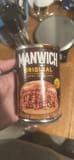 Original Sloppy Joe Sauce Manwich · 15 oz Ultra-processedContains added sugars Score 43 out of 100 Okay
 -
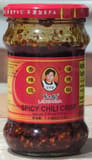 Spicy Chili Crisp Laoganma · 7.41 oz Ultra-processedHigh in saltHigh in saturated fatContains added sugars Score 26 out of 100 Poor
 -
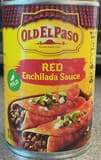 Red Enchilada Sauce Old El Paso · 10 oz Ultra-processedContains added sugarsNo synthetic dyes Score 46 out of 100 Okay
 -
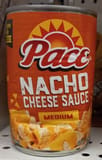 Nacho Cheese Sauce Pace · 10.5 oz High in saltContains added sugarsContains seed oilsNo synthetic dyes Score 35 out of 100 Poor
 -
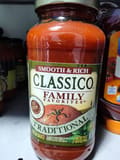 Pasta Sauce Classico · 24 oz/680 g Contains added sugarsSeed-oil free Score 64 out of 100 Good
 -
 Bangkok Peanut Sauce House Of Tsang · 11.5 oz/326 g Ultra-processedHigh in saltContains added sugarsContains seed oils Score 30 out of 100 Poor
More from Trader Giotto's
-
 Organic Extra Virgin Olive Oil Trader Giotto's · 15 mL Score 100 out of 100 Excellent
 -
 Marinara Sauce Trader Giotto's · 25 oz Score 87 out of 100 Excellent
 -
 Organic Riced Cauliflower Trader Giotto's · 340 g Score 100 out of 100 Excellent
 -
 Fettuccine Alfredo Trader Giotto's · 16 oz Score 79 out of 100 Good
Sources
-
About Alcohol Use During Pregnancy
“There is no known safe amount of alcohol use during pregnancy.”
cdc.gov
-
Agents Classified by the IARC Monographs, Volumes 1–142 (List of Classifications)
monographs.iarc.who.int
-
Guideline: sugars intake for adults and children
“In both adults and children, WHO recommends reducing the intake of free sugars to less than 10% of total energy intake”
who.int
-
Saturated fatty acid and trans-fatty acid intake for adults and children: WHO guideline
“WHO recommends that adults and children reduce saturated fatty acid intake to 10% of total energy intake (strong recommendation).”
who.int
-
“For adults, WHO recommends less than 2000 mg/day of sodium (equivalent to less than 5 g/day salt), or just under a teaspoon.”
who.int
-
7 CFR 205.102 Use of the term "organic" (National Organic Program)
“Any agricultural product that is sold, labeled, or represented as “100 percent organic,” “organic,” or “made with organic (specified ingredients or food group(s))” must be: (a) Produced in accordance with the requirements specified in § 205.101 or §§ 205.202 through 205.207”
ecfr.gov
-
“Greater exposure to ultra-processed food was associated with a higher risk of adverse health outcomes, especially cardiometabolic, common mental disorder, and mortality outcomes.”
doi.org