Beauty ingredient · Surfactant
Sodium laureth sulfate (SLES)
An ethoxylated, milder relative of SLS; ethoxylation can leave traces of 1,4-dioxane.
- Ethoxylated ingredient
- Sulfate surfactant
- Expert review pending
Concern level
A minor or very limited concern, such as being an ultra-processing marker only. The concern level sets how many points sodium laureth sulfate (SLES) costs on a product’s receipt.
What the evidence says
-
May contain 1,4-dioxaneStrong evidence
Ethoxylated ingredients can contain trace 1,4-dioxane, a manufacturing by-product (IARC Group 2B). [1][2]
-
Skin or eye irritantStrong evidence
Milder than SLS but can still irritate at high concentrations. [3]
Evidence tiers say how sure the evidence is, separately from how much it matters. About evidence tiers.
Popular products that list sodium laureth sulfate (SLES)
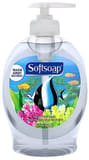
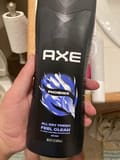
2 of the 17,000 most-scanned products in the US with a GoodSwap page list sodium laureth sulfate (SLES).
Names GoodSwap recognizes on labels (14)
- ales
- sles
- sodium myreth sulfate
- sodium pareth sulfate
- sodium laureth sulfate
- sodium laureth sulphate
- ammonium laureth sulfate
- sodium laureth 1 sulfate
- sodium laureth 2 sulfate
- sodium laureth 3 sulfate
- sodium trideceth sulfate
- sodium laureth sulfate sles
- sodium lauryl ether sulfate
- sodium c12 13 pareth sulfate
Sources
-
1,4-Dioxane in Cosmetics: A Manufacturing Byproduct
“1,4-dioxane forms as a byproduct during the manufacturing process of certain cosmetic ingredients.”
fda.gov
-
Agents Classified by the IARC Monographs, Volumes 1–142 (List of Classifications)
monographs.iarc.who.int