Food ingredient · Dairy
Raw (unpasteurized) milk
Milk that has not been pasteurized, or cheese labeled as made from it.
- Raw (unpasteurized) milk
- Whole food
- Expert review pending
Concern level
Strong evidence of harm at high intake, emerging evidence of harm, or a common allergen or irritant. The concern level sets how many points raw (unpasteurized) milk costs on a product’s receipt.
What the evidence says
-
Listeria riskStrong evidence
The FDA says Listeria is often found in raw milk. [1]
-
Caution in pregnancyStrong evidence
The FDA says pregnant women run a serious risk of becoming ill from Listeria in raw milk. [1]
Evidence tiers say how sure the evidence is, separately from how much it matters. About evidence tiers.
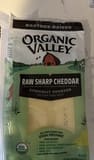
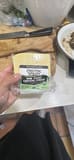
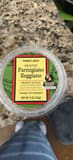
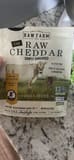
Popular products that list raw (unpasteurized) milk
4 of the 17,000 most-scanned products in the US with a GoodSwap page list raw (unpasteurized) milk.
Diets and allergens
- Vegan
- No
- Vegetarian
- Yes
- Gluten-free
- Yes
- Allergen
- Milk
For the ingredient in general. Always check the package: a product’s own labels win.
Names GoodSwap recognizes on labels (15)
- raw milk
- raw cream
- raw cows milk
- raw goat milk
- raw cow s milk
- raw sheep milk
- raw whole milk
- thermized milk
- raw milk cheese
- raw sheep s milk
- made with raw milk
- unpasteurised milk
- unpasteurized milk
- unpasteurized cheese
- raw unpasteurized milk
Sources
-
The Dangers of Raw Milk: Unpasteurized Milk Can Pose a Serious Health Risk
“Pregnant women run a serious risk of becoming ill from the germ Listeria, which is often found in raw milk and can cause miscarriage, or illness, or death”
fda.gov