Food ingredient · Curing agent
Cultured celery powder (natural nitrite source)
Celery (or chard) juice fermented to make nitrite; used to cure 'uncured' or 'no nitrites added' meats. It supplies nitrite much like sodium nitrite.
- Nitrite or nitrate
- Preservative
- Expert review pending
Concern level
Strong evidence of harm at high intake, emerging evidence of harm, or a common allergen or irritant. The concern level sets how many points cultured celery powder (natural nitrite source) costs on a product’s receipt.
What the evidence says
-
Can form nitrosaminesRegulatory
Provides nitrite like synthetic curing salts. IARC classifies ingested nitrite under conditions that result in endogenous nitrosation as Group 2A. [1][2]
Evidence tiers say how sure the evidence is, separately from how much it matters. About evidence tiers.
Popular products that list cultured celery powder (natural nitrite source)
153 of the 17,000 most-scanned products in the US with a GoodSwap page list cultured celery powder (natural nitrite source). The 12 most scanned:
-
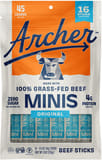 Minis Original Archer · 1 stick 14 g Score 80 out of 100 Excellent
 -
 Archer Original Beef Stick Mini Archer · 0.5 oz (14 g) Score 72 out of 100 Good
 -
 Original Beef Stick Chomps · 1.15 oz (33 g) Score 75 out of 100 Good
 -
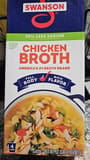 Chicken Broth Swanson · 32 oz Score 65 out of 100 Good
 -
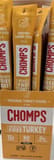 Original All Natural Chomps Antibiotic Free Turkey Chomps · 32 g Score 74 out of 100 Good
 -
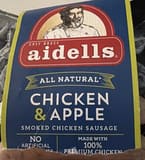 Chicken & Apple Smoked Chicken Sausage Aidells · 12 oz Score 43 out of 100 Okay
 -
 Classic Beef Stick Archer · 1 oz Score 68 out of 100 Good
 -
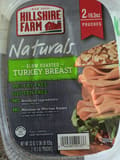 Slow Roasted Turkey Breast Hillshire Farm · 33 oz Score 41 out of 100 Okay
 -
 Organic Better Than Bouillon Seasoned Vegetable Base Better Than Bouillon · 21 oz Score 25 out of 100 Poor
 -
 Original Beef Mini Stick Chomps · 0.5 oz/14 g Score 75 out of 100 Good
 -
 Original Beef Sticks Chomps · 9.2 oz/261 g Score 69 out of 100 Good
 -
 Natural Uncured Beef Hot Dog Applegate Naturals · 10 oz Score 74 out of 100 Good
Diets and allergens
- Vegan
- Yes
- Vegetarian
- Yes
- Gluten-free
- Yes
- Allergen
- Celery
For the ingredient in general. Always check the package: a product’s own labels win.
Names GoodSwap recognizes on labels (17)
- cultured celery
- swiss chard powder
- celery juice powder
- celery juice extract
- cultured celery juice
- beet powder for curing
- celery powder cultured
- cultured celery powder
- cultured celery extract
- fermented celery powder
- celery juice concentrate
- celery powder for curing
- cultured swiss chard powder
- celery juice powder cultured
- cultured celery juice powder
- celery powder natural source of nitrite
- cultured celery powder natural nitrite source
Sources
-
Agents Classified by the IARC Monographs, Volumes 1–142 (List of Classifications)
monographs.iarc.who.int
-
“the presence of nitrites and nitrates in foods can give rise to the formation of nitrosamines some of which are carcinogenic.”
eur-lex.europa.eu