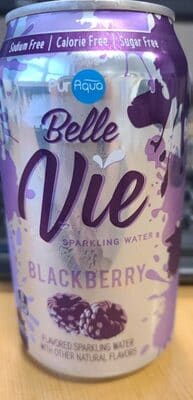
Waters
Belle Vie Blackberry flavored Sparkling Water
355 mL
Score
- Ultra-processed
- No additives
Why it scores 85
Belle Vie Blackberry flavored Sparkling Water scores 85 out of 100 (Excellent) under GoodSwap’s published rules. What moved the score most:
- minus 18 points Ultra-processed (NOVA 4): Classified NOVA 4: made with industrial ingredients and additives. Strong
- plus 3 points No additives: No food additives in the ingredient list. Info
Every line of the math is on The Receipt below, with its evidence tier and sources.
Better sparkling water
-
 Belle Vie Sparkling Water Original PurAqua Not ultra-processed Score 100 out of 100 , 15 points higher
 -
 Bell Vie Sparkling Water Pure Aua · 355 mL Not ultra-processed Score 100 out of 100 , 15 points higher
 -
 S.PELLEGRINO Sparkling Natural Mineral Water S.pellegrino · 500 mL Not ultra-processed Score 100 out of 100 , 15 points higher
 -
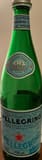 Carbonated Natural Mineral Water S.pellegrino · 750 mL Not ultra-processed Score 100 out of 100 , 15 points higher
 -
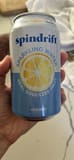 Lemon Sparkling Water Spindrift · 12 fl oz Not ultra-processed Score 100 out of 100 , 15 points higher
The same kind of product, at least 10 points higher, sold in the US. Never paid placements.
The Receipt
Belle Vie Blackberry flavored Sparkling Water
START100
Processing
- Ultra-processed (NOVA 4) minus 18 points
subtotal−18
Bonuses
- No additives plus 3 points
subtotal+3
TOTAL 85Excellent
100 − 15 = 85
Nutrition per 100 ml
| Energy | 0 kcal |
|---|---|
| Fat | 0 g |
| Carbohydrates | 0 g |
| Added sugars | 0 g |
| Protein | 0 g |
Serving: 1 serving (100 g)
Ingredients
High Moderate Not recognized Tap an ingredient for its evidence and rules.
Label text, as published
FILTERED CARBONATED WATER AND NATURAL FLAVORS.
Allergens and diets
- Vegan
- Vegetarian
- Gluten-free
- Palm-oil-free
Always check the package: recipes change.
More waters on GoodSwap
-
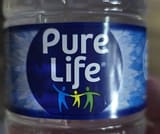 Pure Life Bluetriton Brands · 500 mL Score 98 out of 100 Excellent
 -
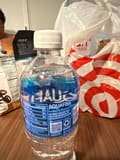 Aquafina Aquafina · 20 fl oz No additives Score 100 out of 100 Excellent
 -
 Purified Water minerals added for tasted Aldi No additives Score 100 out of 100 Excellent
 -
 Probiotic Water Strawberry Lemonade Karma · 18 fl oz/532 mL Ultra-processedContains non-nutritive sweetenersContains added sugarsNo synthetic dyes Score 50 out of 100 Okay
 -
 Strawberry flavored sparkling water Aldi Ultra-processedNo additives Score 81 out of 100 Excellent
 -
 Natural Hydration Infused With Coconut Water Roar · 18 fl oz/532 mL Ultra-processedContains non-nutritive sweetenersContains added sugarsContains sugar alcohols Score 44 out of 100 Okay
Sources
-
“Greater exposure to ultra-processed food was associated with a higher risk of adverse health outcomes, especially cardiometabolic, common mental disorder, and mortality outcomes.”
doi.org