Food
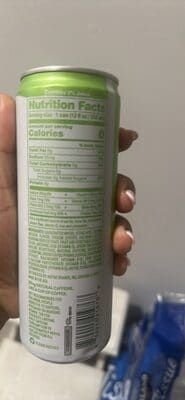
Inspire Contains 0% Juice
Score
- Contains caffeine
- No synthetic dyes
Why it scores 95
Inspire Contains 0% Juice scores 95 out of 100 (Excellent) under GoodSwap’s published rules. What moved the score most:
- minus 2.5 points Natural flavors: "Natural flavor" is a legal category (21 CFR 101.22(a)(3)): flavor substances from spices, fruits, vegetables, meat, dairy or fermentation. Info
- minus 2.5 points Caffeine: The FDA cites 400 mg a day as generally safe for most adults; EFSA advises no more than 200 mg a day in pregnancy. Strong
Every line of the math is on The Receipt below, with its evidence tier and sources.
The Receipt
Contains 0% Juice
Ingredients
- Natural flavors minus 2.5 points
- Caffeine minus 2.5 points
100 − 5 = 95
Nutrition per 100 g
| Energy | 0 kcal |
|---|---|
| Fat | 0 g |
| Carbohydrates | 0 g |
| Sugars | 0 g |
| Added sugars | 0 g |
| Protein | 0 g |
| Salt | 0 g |
Serving: 1 portion (12 fl oz)
Ingredients
- carbonated water
- citric acid
- taurine natural flavor
- sodium citrate
- calcium lactate guarana seed extract
- fruit and vegetable juice for color
- ascorbic acid (vitamin c)
- green tea extract choline bitartrate
- natural caffeine
- sucralose l-carnitine
- green tea polyphenols (egcg)
- ginger root extract
- niacinamide (vitamin b-3)
- gum acacia d-calcium pantothenate (vitamin b-5)
- pyridoxine hydrochloride (vitamin b-6)
- biotin
- cyanocobalamin
Label text, as published
carbonated water, citric acid, taurine natural flavor, sodium citrate, calcium lactate guarana seed extract, fruit and vegetable juice for color, ascorbic acid (vitamin c), green tea extract choline bitartrate, natural caffeine, sucralose l-carnitine, green tea polyphenols (egcg), ginger root extract, niacinamide (vitamin b-3), gum acacia d-calcium pantothenate (vitamin b-5), pyridoxine hydrochloride (vitamin b-6), biotin, cyanocobalamin
Allergens and diets
- Palm-oil-free
Always check the package: recipes change.
Sources
-
21 CFR 101.22 Foods; labeling of spices, flavorings, colorings and chemical preservatives
“whose significant function in food is flavoring rather than nutritional.”
ecfr.gov
-
Spilling the Beans: How Much Caffeine is Too Much?
“For most adults, the FDA has cited 400 milligrams* a day — that's about two to three 12-fluid-ounce cups of coffee — as an amount not generally associated with negative effects.”
fda.gov
-
Caffeine (EFSA topic page; Scientific Opinion on the safety of caffeine, 2015)
“Caffeine intakes from all sources up to 200mg per day consumed throughout the day do not raise safety concerns for the foetus.”
efsa.europa.eu
-
Regulation (EU) No 1169/2011, Annex III point 4.1 (beverages with high caffeine content)
“‘High caffeine content. Not recommended for children or pregnant or breast-feeding women’”
eur-lex.europa.eu