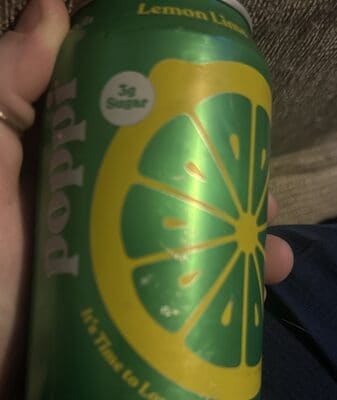
Sodas
Poppi Lemon Lime Soda
12 oz
Score
- Ultra-processed
- Contains non-nutritive sweeteners
- Contains added sugars
Why it scores 45
Poppi Lemon Lime Soda scores 45 out of 100 (Okay) under GoodSwap’s published rules. What moved the score most:
- minus 20 points Sugar: An added sugar. Strong
- minus 18 points Ultra-processed (NOVA 4): Classified NOVA 4: made with industrial ingredients and additives. Strong
- minus 6 points Sugars 3 g / 100 ml: High in sugar. Strong
Every line of the math is on The Receipt below, with its evidence tier and sources.
Better sodas
-
 Watermelon Lime OLIPOP Not ultra-processed · No added sugars Score 91 out of 100 , 46 points higher
 -
 Probiotic soda- lemon lime Humm · 12 fl oz/355 mL Not ultra-processed · No non-nutritive sweeteners Score 75 out of 100 , 30 points higher
 -
 Lemon Lime Evolution No added sugars · No sugar Score 73 out of 100 , 28 points higher
 -
 Lemon lime Good Mood Soda Rowdy Mermaid · 12 fl oz/355 mL Not ultra-processed Score 71 out of 100 , 26 points higher
 -
 Lemon Lime Twist Soda Zevia · 96 fl oz/2.8 L Not ultra-processed · No added sugars Score 95 out of 100 , 50 points higher
The same kind of product, at least 10 points higher, sold in the US. Never paid placements.
The Receipt
Lemon Lime Soda
Ingredients
- Sugar minus 20 points
- Inulin (chicory root fiber) minus 2.5 points
- Natural flavors minus 2.5 points
- Stevia (steviol glycosides) minus 1.5 points
Processing
- Ultra-processed (NOVA 4) minus 18 points
- 3 kinds of ultra-processing markers minus 3 points
Nutrition per 100 ml
- Sugars 3 g / 100 ml minus 6 points
- Energy 25 kcal / 100 ml minus 2 points
100 − 55.5 = 44.5 → 45
Can’t score above 79. Contains sugar, an ingredient of high concern. [1][2][3]
Nutrition per 100 ml
| Energy | 25 kcal |
|---|---|
| Fat | 0 g |
| Saturated fat | 0 g |
| Trans fat | 0 g |
| Carbohydrates | 9 g |
| Sugars | 3 g |
| Fiber | 2 g |
| Protein | 0 g |
| Salt | 0 g |
Serving: 1 portion (12 fl oz)
Ingredients
- Sparkling Water
- Organic Cane Sugar (high concern)
- Organic Agave Inulin
- Apple Juice
- Organic Apple Cider Vinegar
- Natural Flavor
- Citric Acid
- Stevia
- Lime Juice
- Lemon Juice
Label text, as published
Sparkling Water, Organic Cane Sugar, Organic Agave Inulin, Apple Juice, Organic Apple Cider Vinegar, Natural Flavor, Citric Acid, Stevia, Lime Juice, Lemon Juice.
Allergens and diets
- Palm-oil-free
Always check the package: recipes change.
Packaging
Hdpe 2 high density polyethylene
Context only: no points in v1.
More sodas on GoodSwap
-
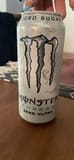 Zero Ultra Monster Energy · 1 can (16 oz) Ultra-processedContains non-nutritive sweetenersContains sugar alcoholsContains caffeine Score 51 out of 100 Okay
 -
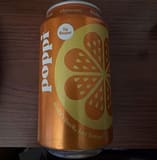
 Strawberry Lemonade Prebiotic Soda Poppi · 355 mL / 12 oz Ultra-processedContains non-nutritive sweetenersContains added sugars Score 49 out of 100 Okay
 -
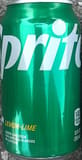 Soda Lemon-lime Sprite · 12 fl oz (355 mL) Ultra-processedContains added sugars Score 34 out of 100 Poor
 -
 Mega Monster Energy Monster · 24 oz High in sugarContains non-nutritive sweetenersContains added sugarsContains caffeine Score 10 out of 100 Bad
 -
 Red Bull Zero Red Bull · 12 fl oz Ultra-processedContains non-nutritive sweetenersContains sugar alcoholsContains caffeine Score 49 out of 100 Okay
 -
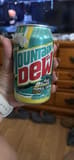 Mountain Dew Baja Blast Tropical Lime Mountain Dew · 355 mL Dye with an EU warning labelContains synthetic dyesUltra-processedHigh in sugar Score 7 out of 100 Bad
More from Poppi
Sources
-
Guideline: sugars intake for adults and children
“In both adults and children, WHO recommends reducing the intake of free sugars to less than 10% of total energy intake”
who.int
-
Dietary Guidelines for Americans, 2025–2030
“Limit foods and beverages that include artificial flavors, petroleum-based dyes, artificial preservatives, and low-calorie non-nutritive sweeteners.”
cdn.realfood.gov
-
Added and free sugars should be as low as possible
“Sugar consumption is a known cause of dental caries.”
efsa.europa.eu
-
21 CFR 101.22 Foods; labeling of spices, flavorings, colorings and chemical preservatives
“whose significant function in food is flavoring rather than nutritional.”
ecfr.gov
-
WHO advises not to use non-sugar sweeteners for weight control in newly released guideline
“The recommendation is based on the findings of a systematic review of the available evidence which suggests that use of NSS does not confer any long-term benefit in reducing body fat in adults or children.”
who.int
-
“Greater exposure to ultra-processed food was associated with a higher risk of adverse health outcomes, especially cardiometabolic, common mental disorder, and mortality outcomes.”
doi.org