Why it scores 80
Tazo Passion Herbal Tea scores 80 out of 100 (Excellent) under GoodSwap’s published rules. What moved the score most:
- minus 18 points Ultra-processed (NOVA 4): Classified NOVA 4: made with industrial ingredients and additives. Strong
- minus 2.5 points Natural flavors: "Natural flavor" is a legal category (21 CFR 101.22(a)(3)): flavor substances from spices, fruits, vegetables, meat, dairy or fermentation. Info
Every line of the math is on The Receipt below, with its evidence tier and sources.
Better tea bags and loose tea
-
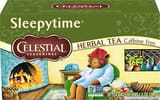 Sleepytime Herbal Tea Celestial Seasonings · 29 g Not ultra-processed Score 100 out of 100 , 20 points higher
 -
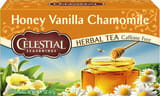 Honey Vanilla Chamomile Herbal Tea Celestial Seasonings Not ultra-processed Score 100 out of 100 , 20 points higher
 -
 Organic Peppermint Herbal Tea Traditional Medicinals Not ultra-processed Score 100 out of 100 , 20 points higher
 -
 Ginger Turmeric Herbal Tea Benner Not ultra-processed Score 100 out of 100 , 20 points higher
 -
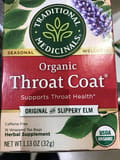 Organic Throat Coat Herbal Supplement Traditional Medicinals · 1.13 oz Not ultra-processed Score 100 out of 100 , 20 points higher
The same kind of product, at least 10 points higher, sold in the US. Never paid placements.
The Receipt
Passion Herbal Tea
Ingredients
- Natural flavors minus 2.5 points
Processing
- Ultra-processed (NOVA 4) minus 18 points
100 − 20.5 = 79.5 → 80
Nutrition per 100 g
| Energy | 0 kcal |
|---|---|
| Fat | 0 g |
| Saturated fat | 0 g |
| Carbohydrates | 0 g |
| Sugars | 0 g |
| Protein | 0 g |
| Salt | 0 g |
Serving: 240ml
Ingredients
Label text, as published
HIBISCUS FLOWERS, CITRIC ACID, LICORICE ROOT, CINNAMON, ROSEHIPS, ORANGE PEELS, LEMONGRASS, NATURAL FLAVOR
Allergens and diets
- Palm-oil-free
Always check the package: recipes change.
More tea bags on GoodSwap
-
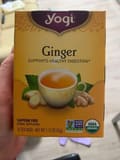 Ginger Tea Yogi Certified organicNo additives Score 100 out of 100 Excellent
 -
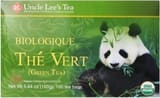 Legends of china green tea Uncle Lee's Tea Inc. · 5.64 oz/160 g Contains caffeineCertified organicNo additives Score 100 out of 100 Excellent
 -
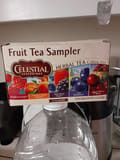 Fruit Tea Sampler Celestial Seasonings · 1.4 oz/40 g Score 98 out of 100 Excellent
 -
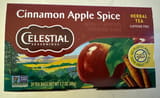 Cinnamon Apple Spice Herbal Tea Celestial Seasonings Ultra-processedNo additives Score 80 out of 100 Excellent
 -
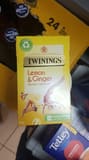 Lemon & Ginger tea Twinings · 30 g (20 teabags) Ultra-processedNo additives Score 83 out of 100 Excellent
 - Sleepytime Herbal Tea Celestial Seasonings · 2.1 oz No additives Score 100 out of 100 Excellent
More from Tazo
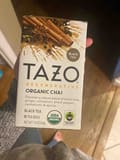
Sources
-
21 CFR 101.22 Foods; labeling of spices, flavorings, colorings and chemical preservatives
“whose significant function in food is flavoring rather than nutritional.”
ecfr.gov
-
“Greater exposure to ultra-processed food was associated with a higher risk of adverse health outcomes, especially cardiometabolic, common mental disorder, and mortality outcomes.”
doi.org