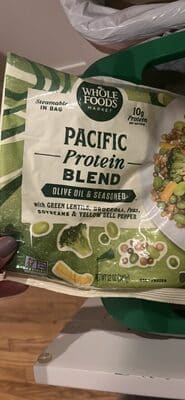
Frozen vegetables
Whole Foods Market Pacific Protein Blend Olive Oil & Seasoned
12 oz
Score
- Ultra-processed
- Contains seed oils
Why it scores 78
Whole Foods Market Pacific Protein Blend Olive Oil & Seasoned scores 78 out of 100 (Good) under GoodSwap’s published rules. What moved the score most:
- minus 18 points Ultra-processed (NOVA 4): Classified NOVA 4: made with industrial ingredients and additives. Strong
- plus 4 points Fiber 8.5 g / 100 g: A good source of fiber. Strong
- minus 3 points Salt 0.7 g / 100 g: High in salt. Strong
Every line of the math is on The Receipt below, with its evidence tier and sources.
Better frozen vegetables
-
 Stir-Fry Vegetable Blend Kirkland Signature · 26 cups 2490 g Not ultra-processed · No seed oils Score 100 out of 100 , 22 points higher
 -
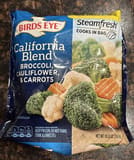 California Blend Broccoli, Cauliflower, Carrots Birds Eye · 10.8 oz Not ultra-processed · No seed oils Score 100 out of 100 , 22 points higher
 -
 Pepper & Onion Blend Great Value · 20 oz Not ultra-processed · No seed oils Score 100 out of 100 , 22 points higher
 -
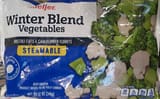 Winter Blend Vegetables Meijer · 12 oz Not ultra-processed · No seed oils Score 100 out of 100 , 22 points higher
 -
 Normandy Blend Birds Eye · 60 oz Not ultra-processed · No seed oils Score 100 out of 100 , 22 points higher
The same kind of product, at least 10 points higher, sold in the US. Never paid placements.
The Receipt
Pacific Protein Blend Olive Oil & Seasoned
Ingredients
- Maltodextrin minus 2.5 points
- Sunflower oil minus 2.5 points
Processing
- Ultra-processed (NOVA 4) minus 18 points
Nutrition per 100 g
- Salt 0.7 g / 100 g minus 3 points
- Fiber 8.5 g / 100 g plus 4 points
100 − 22 = 78
Nutrition per 100 g
| Energy | 100 kcal |
|---|---|
| Fat | 1.9 g |
| Saturated fat | 0 g |
| Trans fat | 0 g |
| Carbohydrates | 15.4 g |
| Sugars | 2.3 g |
| Added sugars | 0 g |
| Fiber | 8.5 g |
| Protein | 7.7 g |
| Salt | 0.7 g |
Serving: 1 portion (130 g)
Ingredients
- Green lentils (water, green lentils)
- broccoli
- peas
- soybeans
- yellow bell peppers
- extra virgin olive oil
- water
- seasoning (salt, wheat maltodextrin, onion powder, garlic powder, parsley, sunflower seed oil, extractives of herbs)
Label text, as published
Green lentils (water, green lentils), broccoli, peas, soybeans, yellow bell peppers, extra virgin olive oil, water, seasoning (salt, wheat maltodextrin, onion powder, garlic powder, parsley, sunflower seed oil, extractives of herbs [basil, parsley, thyme]).
Allergens and diets
Contains: Soy
- Vegan
- Vegetarian
- Palm-oil-free
Always check the package: recipes change.
More frozen vegetables on GoodSwap
-
 Spicy Mexican-Style Riced Cauliflower Trader Joe's Ultra-processedSeed-oil freeNo synthetic dyes Score 73 out of 100 Good
 -
 Mandarin Style Orange Chicken Bowl Trader Joe's · 13 oz (369 g) Ultra-processedContains added sugarsContains seed oilsContains whole grains Score 52 out of 100 Okay
 -
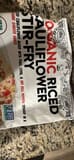 Organic Riced Cauliflower Stir Fry Tattooed Chef Contains added sugarsCertified organicNo additivesSeed-oil free Score 72 out of 100 Good
 -
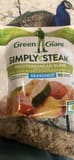 Seasoned Veggies Mediterranean Blend Green Giant · 9 oz/255 g Ultra-processedContains seed oils Score 74 out of 100 Good
 -
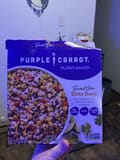 Sweet corn elote bowl Purple Carrot · 10.75 oz/304 g Ultra-processedContains added sugarsContains emulsifiers studied for gut effectsContains seed oils Score 31 out of 100 Poor
 -
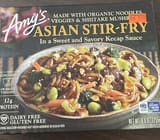 Asian stirfry Amy's · 9.0 oz Contains added sugarsContains seed oilsNo additives Score 47 out of 100 Okay
More from Whole Foods Market
-
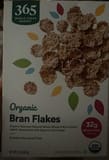 Organic Bran Flakes Whole Foods Market · 15 oz Score 58 out of 100 Okay
 -
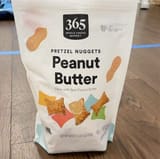 Peanut Butter Pretzel Nuggets Whole Foods Market · 18 oz Score 41 out of 100 Okay
 -
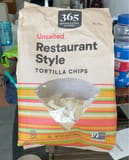 Unsalted Restaurant Style Tortilla Chips Whole Foods Market · 14 oz Score 79 out of 100 Good
 -
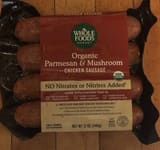 Organic Parmesan & Mushroom Chicken Sausage Whole Foods Market · 12 oz Score 60 out of 100 Good
Sources
-
“replacement of saturated fat in the diet with linoleic acid effectively lowers serum cholesterol but does not support the hypothesis that this translates to a lower risk of death from coronary heart disease or all causes.”
doi.org
-
“These data provide support for current recommendations to replace saturated fat with polyunsaturated fat for primary prevention of CHD.”
doi.org
-
“For adults, WHO recommends less than 2000 mg/day of sodium (equivalent to less than 5 g/day salt), or just under a teaspoon.”
who.int
-
Dietary Guidelines for Americans, 2025–2030
“Limit foods and beverages that include artificial flavors, petroleum-based dyes, artificial preservatives, and low-calorie non-nutritive sweeteners.”
cdn.realfood.gov
-
“Greater exposure to ultra-processed food was associated with a higher risk of adverse health outcomes, especially cardiometabolic, common mental disorder, and mortality outcomes.”
doi.org