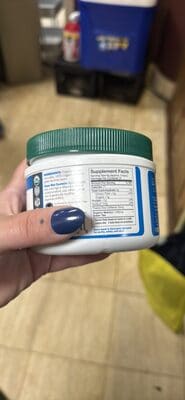
Green teas
Green Foods Matcha Green Tea Energy Blend
5.5 oz
Score
- Contains caffeine
- No additives
- Contains whole grains
Why it scores 100
Green Foods Matcha Green Tea Energy Blend scores 100 out of 100 (Excellent) under GoodSwap’s published rules. What moved the score most:
- plus 5 points Simple whole food: A few low-concern ingredients, minimally processed. Info
- minus 3 points Salt 1 g / 100 g: High in salt. Strong
- plus 3 points No additives: No food additives in the ingredient list. Info
Every line of the math is on The Receipt below, with its evidence tier and sources.
The Receipt
Matcha Green Tea Energy Blend
Nutrition per 100 g
- Salt 1 g / 100 g minus 3 points
Bonuses
- Simple whole food plus 5 points
- No additives plus 3 points
100 + 5 = 100
Nutrition per 100 g
| Fat | 0 g |
|---|---|
| Saturated fat | 0 g |
| Trans fat | 0 g |
| Sugars | 0 g |
| Added sugars | 0 g |
| Salt | 1 g |
Serving: 5 g
Ingredients
Label text, as published
Organic brown rice solids, 100% organic matcha green tea from Japan
Allergens and diets
- Vegan
- Vegetarian
- Gluten-free
- Palm-oil-free
Always check the package: recipes change.
More green teas on GoodSwap
-
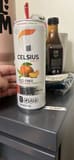 Celsius Fizz-Free Peach Mango Green Tea Celsius · 12 oz Ultra-processedContains non-nutritive sweetenersContains caffeineNo synthetic dyes Score 67 out of 100 Good
 -
 Oi Ocha Unsweetened Green Tea Ito En · 500 mL Contains caffeine Score 100 out of 100 Excellent
 -
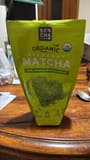 Organic Everyday Matcha Sencha Naturals · 12 oz Contains caffeineCertified organicNo additives Score 100 out of 100 Excellent
 -
 Diet Green Tea with Citrus Kirkland · 35 × 16.9 fl oz Ultra-processedContains non-nutritive sweetenersContains caffeine Score 52 out of 100 Okay
 -
 Matcha Green Tea Powder MRM Nutrition · 6 oz Contains caffeineNo additives Score 100 out of 100 Excellent
 -
 Green Tea big bottle Arizona · 34 fl oz Ultra-processedContains added sugars Score 35 out of 100 Poor
Sources
-
“For adults, WHO recommends less than 2000 mg/day of sodium (equivalent to less than 5 g/day salt), or just under a teaspoon.”
who.int
-
Spilling the Beans: How Much Caffeine is Too Much?
“For most adults, the FDA has cited 400 milligrams* a day — that's about two to three 12-fluid-ounce cups of coffee — as an amount not generally associated with negative effects.”
fda.gov
-
Regulation (EU) No 1169/2011, Annex III point 4.1 (beverages with high caffeine content)
“‘High caffeine content. Not recommended for children or pregnant or breast-feeding women’”
eur-lex.europa.eu
-
Dietary Guidelines for Americans, 2025–2030
“Limit foods and beverages that include artificial flavors, petroleum-based dyes, artificial preservatives, and low-calorie non-nutritive sweeteners.”
cdn.realfood.gov