Beverages
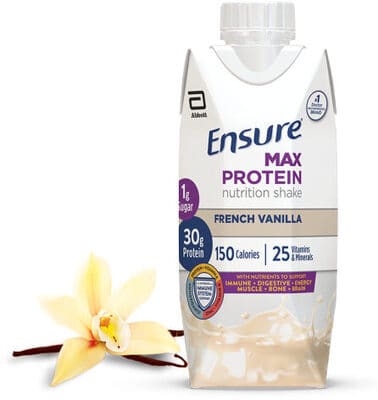
Ensure Max Protein nutrition shake French Vanilla
Score
- Ultra-processed
- No additives
Why it scores 78
Ensure Max Protein nutrition shake French Vanilla scores 78 out of 100 (Good) under GoodSwap’s published rules. What moved the score most:
- minus 18 points Ultra-processed (NOVA 4): Classified NOVA 4: made with industrial ingredients and additives. Strong
- minus 4 points Energy 45 kcal / 100 ml: Energy-dense for its volume. Info
- plus 3 points No additives: No food additives in the ingredient list. Info
Every line of the math is on The Receipt below, with its evidence tier and sources.
Better protein shakes
-
 Protein Shake Chocolate Oak Farms · half gallon/1.89 L Not ultra-processed Score 100 out of 100 , 22 points higher
 -
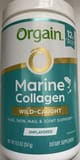 Marine Collagen Wild-caught Orgain Not ultra-processed Score 100 out of 100 , 22 points higher
The same kind of product, at least 10 points higher, sold in the US. Never paid placements.
The Receipt
Ensure Max Protein nutrition shake French Vanilla
Ingredients
- Milk protein concentrate / isolate minus 2.5 points
- Caseinate minus 2.5 points
Processing
- Ultra-processed (NOVA 4) minus 18 points
Nutrition per 100 ml
- Energy 45 kcal / 100 ml minus 4 points
- Protein 9.1 g / 100 ml plus 2 points
Bonuses
- No additives plus 3 points
100 − 22 = 78
Nutrition per 100 ml
| Energy | 45 kcal |
|---|---|
| Fat | 0.5 g |
| Saturated fat | 0.2 g |
| Trans fat | 0 g |
| Carbohydrates | 1.8 g |
| Sugars | 0.3 g |
| Added sugars | 0 g |
| Fiber | 0.6 g |
| Protein | 9.1 g |
| Salt | 0.1 g |
Serving: 1 CARTON (330 ml)
Ingredients
Label text, as published
water, milk protein concentrate, calcium caseinate
Allergens and diets
Contains: Milk
- Not vegan
- Vegetarian
- Gluten-free
- Palm-oil-free
Always check the package: recipes change.
More beverages on GoodSwap
-
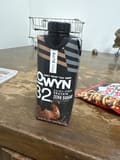 OWYN Pro Elite Dairy-Free Protein Chocolate Flavored OWYN · 330 mL Ultra-processedContains non-nutritive sweetenersContains seed oils Score 63 out of 100 Good
 -
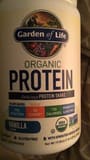 Organic Protein Delicious Protein Shake Garden of Life · 18.0 oz Ultra-processedHigh in saltContains non-nutritive sweetenersContains sugar alcohols Score 54 out of 100 Okay
 -
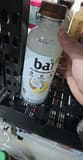 Puna Coconut Pineapple Bai Ultra-processedContains non-nutritive sweetenersContains caffeine Score 69 out of 100 Good
 -
 Propel Water Electrolyte Mix Propel · 0.9 oz/28 g High in saltContains non-nutritive sweetenersContains added sugars Score 28 out of 100 Poor
 -
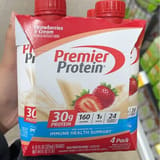 Strawberry cream Boston Beer Company · 44 fl oz/1.3 L Ultra-processedContains non-nutritive sweetenersContains emulsifiers studied for gut effectsContains seed oils Score 41 out of 100 Okay
 -
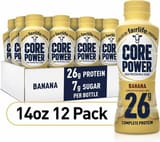 Core power protein shakes banana ready to drink Core Power · 14 fl oz/414 mL Ultra-processedContains non-nutritive sweetenersContains emulsifiers studied for gut effects Score 43 out of 100 Okay
More from Ensure
-
 Original nutrition shake Ensure · 237 mL Score 24 out of 100 Poor
 -
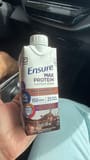 Ensure Max Protein nutrition shake MILK CHOCOLATE Ensure · 330 mL Score 78 out of 100 Good
 -
 Plant based protein Ensure · 11 fl oz/330 mL Score 78 out of 100 Good
 -
 Ensure Plus nutrition shake Milk Chocolate Ensure · 8 fl oz/237 mL Score 31 out of 100 Poor
Also popular on GoodSwap

Sources
-
Dietary Guidelines for Americans, 2025–2030
“Limit foods and beverages that include artificial flavors, petroleum-based dyes, artificial preservatives, and low-calorie non-nutritive sweeteners.”
cdn.realfood.gov
-
“Greater exposure to ultra-processed food was associated with a higher risk of adverse health outcomes, especially cardiometabolic, common mental disorder, and mortality outcomes.”
doi.org