Prepared meats
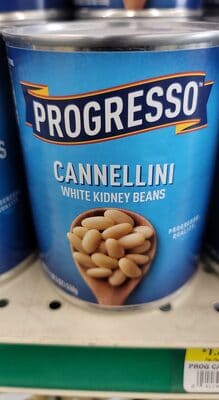
Progresso Cannellini White Kidney Beans - Progresso
19 oz
Score
Why it scores 98
Progresso Cannellini White Kidney Beans - Progresso scores 98 out of 100 (Excellent) under GoodSwap’s published rules. What moved the score most:
- plus 4 points Fiber 6.2 g / 100 g: A good source of fiber. Strong
- minus 2.5 points Calcium chloride: An additive class typical of ultra-processed foods (NOVA group 4). Info
- minus 2.5 points Disodium EDTA: An ingredient class typical of ultra-processed foods (NOVA group 4). Info
Every line of the math is on The Receipt below, with its evidence tier and sources.
The Receipt
Cannellini White Kidney Beans - Progresso
Ingredients
- Calcium chloride minus 2.5 points
- Disodium EDTA minus 2.5 points
Nutrition per 100 g
- Salt 0.6 g / 100 g minus 1 points
- Fiber 6.2 g / 100 g plus 4 points
100 − 2 = 98
Nutrition per 100 g
| Energy | 69 kcal |
|---|---|
| Fat | 0 g |
| Saturated fat | 0 g |
| Trans fat | 0 g |
| Carbohydrates | 12.3 g |
| Sugars | 0.8 g |
| Added sugars | 0 g |
| Fiber | 6.2 g |
| Protein | 4.6 g |
| Salt | 0.6 g |
Serving: 1/2 cup (130 g)
Ingredients
Label text, as published
SOAKED WHITE KIDNEY BEANS, WATER. CONTAINS LESS THAN 2 % OF: SALT, CALCIUM CHLORIDE, DISODIUM EDTA (PRESERVATIVE).
Allergens and diets
- Vegan
- Vegetarian
- Gluten-free
- Palm-oil-free
Always check the package: recipes change.
More prepared meats on GoodSwap
-
 Smoked Snack Stick Slim Jim · 8 g Ultra-processedHigh in saltHigh in saturated fatContains nitrites or nitrates Score 11 out of 100 Bad
 -
 Turkey Pepperoni Hormel · 6 oz Ultra-processedHigh in saltContains nitrites or nitratesContains added sugars Score 21 out of 100 Poor
 -
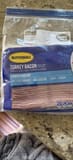 Turkey Bacon Butterball · 12 oz Ultra-processedContains nitrites or nitratesContains added sugarsContains seed oils Score 30 out of 100 Poor
 -
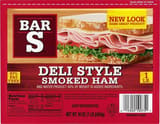 Deli Style Smoked Ham Bar-S · 16 oz Ultra-processedHigh in saltContains nitrites or nitratesContains added sugars Score 29 out of 100 Poor
 - Pinto Beans Reduced Sodium Bush's Best · 130 g Score 91 out of 100 Excellent
-
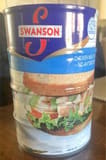 White Premium Chunk Chicken Breast Swanson · 18 oz Ultra-processed Score 78 out of 100 Good
More from Progresso
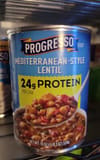
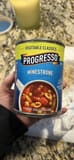
Sources
-
“For adults, WHO recommends less than 2000 mg/day of sodium (equivalent to less than 5 g/day salt), or just under a teaspoon.”
who.int
-
Dietary Guidelines for Americans, 2025–2030
“Limit foods and beverages that include artificial flavors, petroleum-based dyes, artificial preservatives, and low-calorie non-nutritive sweeteners.”
cdn.realfood.gov