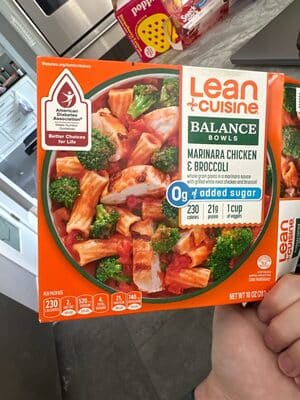
Broccoli
Lean Cuisine Balance Bowls Marina Chicken & Broccoli
10 oz
Score
- Ultra-processed
- Seed-oil free
- Contains whole grains
Why it scores 63
Lean Cuisine Balance Bowls Marina Chicken & Broccoli scores 63 out of 100 (Good) under GoodSwap’s published rules. What moved the score most:
- minus 18 points Ultra-processed (NOVA 4): Classified NOVA 4: made with industrial ingredients and additives. Strong
- minus 6 points 5 kinds of ultra-processing markers: Industrial additive classes found: firming agent, flavoring, industrial protein, industrial sugar or starch hydrolysate and modified starch. Emerging
- minus 2.5 points Soy protein isolate / concentrate: An ingredient typical of ultra-processed foods (NOVA group 4). Info
Every line of the math is on The Receipt below, with its evidence tier and sources.
Better frozen meals
-
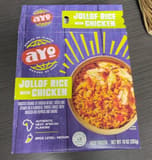 Jollof rice with chicken AYO · 10 oz Not ultra-processed · No modified starch Score 100 out of 100 , 37 points higher
 -
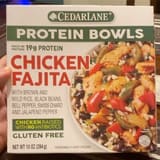 Chicken Fajita Protein Bowl Cedarlane Not ultra-processed · No modified starch Score 97 out of 100 , 34 points higher
 -
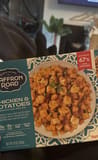 Chicken and potatoes Saffron Road · 10 oz Not ultra-processed · No modified starch Score 96 out of 100 , 33 points higher
 -
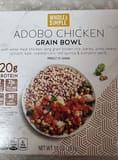 Adodo Chicken Grain Bowl Whole & Simple · 10 oz Not ultra-processed · No modified starch Score 99 out of 100 , 36 points higher
 -
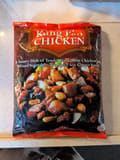 Kung Pao Chicken Trader Ming's · 23 oz (1 lb 7 oz) 652 g Not ultra-processed · No modified starch Score 95 out of 100 , 32 points higher
The same kind of product, at least 10 points higher, sold in the US. Never paid placements.
The Receipt
Marina Chicken & Broccoli
Ingredients
- Soy protein isolate / concentrate minus 2.5 points
- Modified starch minus 2.5 points
- Natural flavors minus 2.5 points
- Sodium phosphate minus 1.5 points
- Maltodextrin minus 1.5 points
- Alcohol (ethanol) minus 1.5 points
- Calcium chloride minus 0.5 points
Processing
- Ultra-processed (NOVA 4) minus 18 points
- 5 kinds of ultra-processing markers minus 6 points
Nutrition per 100 g
- Salt 0.5 g / 100 g minus 1 points
100 − 37.5 = 62.5 → 63
Nutrition per 100 g
| Energy | 81 kcal |
|---|---|
| Fat | 1.6 g |
| Saturated fat | 0.7 g |
| Trans fat | 0 g |
| Carbohydrates | 9.5 g |
| Sugars | 1.4 g |
| Added sugars | 0 g |
| Fiber | 1.8 g |
| Protein | 7.4 g |
| Salt | 0.5 g |
Serving: 1 package (283 g)
Ingredients
- BROCCOLI
- WATER
- COOKED (not recognized)
- GRILLED WHITE MEAT CHICKEN (WHITE MEAT CHICKEN, WATER ISOLATED SOY PROTEIN, MODIFIED FOOD STARCH, SEASONING, COOKED PASTA, ONIONS, TOMATO PASTE, PARMESAN CHEESE, CHICKEN BROTH, ROASTED GARLIC, MODIFIED FOOD STARCH, TOMATO JUICE, SPICES, TAMARI SOY SAUCE, APPLE CIDER VINEGAR, SEA SALT, BUTTER, CHICKEN FAT, ONION POWDER, POTASSIUM SALT, CITRIC ACID, CALCIUM CHLORIDE)
Label text, as published
BROCCOLI, WATER, COOKED, GRILLED WHITE MEAT CHICKEN (WHITE MEAT CHICKEN, WATER ISOLATED SOY PROTEIN, MODIFIED FOOD STARCH, SEASONING [DRIED CHICKEN BROTH, CHICKEN POWDER, NATURAL FLAVOR, SODIUM PHOSPHATE, MALTODEXTRIN, SALT), COOKED PASTA (WATER, DURUM WHOLE WHEAT FLOUR, SEMOLINA WHEAT FLOUR, EGG WHITES). TOMATOES, ONIONS, TOMATO PASTE, PARMESAN CHEESE (CULTURED PART-SKIM MILK, SALT, ENZYMES), CHICKEN BROTH,2% OR LESS OF ROASTED GARLIC, MODIFIED FOOD STARCH, TOMATO JUICE, SPICES, TAMARI SOY SAUCE (WATER, SOYBEANS, SALT, ALCOHOL), APPLE CIDER VINEGAR, SEA SALT, BUTTER (CREAM, SALT), CHICKEN FAT, ONION POWDER, POTASSIUM SALT, CITRIC ACID, CALCIUM CHLORIDE. CONTAINS: EGG, WHEAT, MILK, SOY
Allergens and diets
Contains: Milk, Soy, Wheat, Gluten, Egg
- Not vegan
- Not vegetarian
- Not gluten-free
Always check the package: recipes change.
More broccoli on GoodSwap
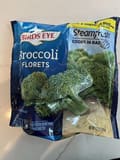
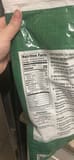
Sources
-
21 CFR 101.22 Foods; labeling of spices, flavorings, colorings and chemical preservatives
“whose significant function in food is flavoring rather than nutritional.”
ecfr.gov
-
EFSA issues new advice on phosphates
“We estimated that dietary exposure to phosphates may exceed the new ADI for infants, toddlers and children with average consumption of phosphates in their diet.”
efsa.europa.eu
-
Agents Classified by the IARC Monographs, Volumes 1–142 (List of Classifications)
monographs.iarc.who.int
-
About Alcohol Use During Pregnancy
“There is no known safe amount of alcohol use during pregnancy.”
cdc.gov
-
“For adults, WHO recommends less than 2000 mg/day of sodium (equivalent to less than 5 g/day salt), or just under a teaspoon.”
who.int
-
“Greater exposure to ultra-processed food was associated with a higher risk of adverse health outcomes, especially cardiometabolic, common mental disorder, and mortality outcomes.”
doi.org
-
Dietary Guidelines for Americans, 2025–2030
“Limit foods and beverages that include artificial flavors, petroleum-based dyes, artificial preservatives, and low-calorie non-nutritive sweeteners.”
cdn.realfood.gov