Household ingredient · Stain remover (enzyme)
Detergent enzymes
Proteins that break down stains (protease for protein, amylase for starch, lipase for fat). EU detergent labels must list them.
- Expert review pending
Concern level
A minor or very limited concern, such as being an ultra-processing marker only. The concern level sets how many points detergent enzymes costs on a product’s receipt.
What the evidence says
-
Respiratory sensitizer (occupational)Strong evidence
Inhaled enzyme dust can cause respiratory allergy, mainly a workplace risk; products keep airborne exposure very low. [1]
Evidence tiers say how sure the evidence is, separately from how much it matters. About evidence tiers.
Rules around the world
| Where | Status | Details | Date | Source |
|---|---|---|---|---|
| European Union | Permitted | Detergents must list enzymes whatever their concentration (Annex VII A). | — | [2] |
“Banned” means explicitly prohibited or withdrawn after review; “not permitted” means never authorized there. We use each regulator’s own words.
Popular products that list detergent enzymes
6 of the 17,000 most-scanned products in the US with a GoodSwap page list detergent enzymes.
-
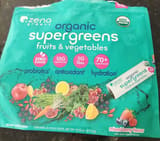 Organic Supergreens Fruits & Vegetables Zena Greens Score 95 out of 100 Excellent
 -
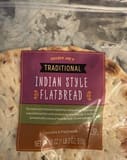 Indian Style Flatbread Trader Joe's · 18 oz Score 52 out of 100 Okay
 -
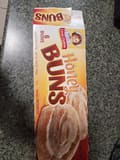 Honey Buns Little Debbie · 50 g Score 1 out of 100 Bad
 -
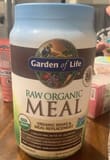 Raw Organic Meal Chocolate Flavor Garden of Life · 1017 g Score 92 out of 100 Excellent
 -
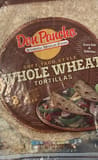 Soft Taco Style Whole Wheat Tortillad Don Pancho · 360 g Score 34 out of 100 Poor
 -
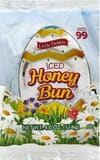 Iced Honey Bun Little Debbie · 114 g Score 0 out of 100 Bad
Names GoodSwap recognizes on labels (21)
- enzyme
- lipase
- amylase
- enzymes
- protease
- cellulase
- mannanase
- pectinase
- subtilisin
- subtilisins
- enzyme blend
- alpha amylase
- lipase enzyme
- pectate lyase
- xyloglucanase
- amylase enzyme
- protease enzyme
- detergent enzymes
- enzyme preparation
- proteolytic enzymes
- protease and amylase
Sources
-
Enzymes in cleaning products: an overview of toxicological properties and risk assessment/management
“Exceptions are the ability of some proteases to produce irritating effects at high concentrations and more importantly, the intrinsic potential of these bacterial/fungal proteins to act as respiratory sensitizers.”
doi.org
-
“The following classes of constituent, if added, shall be listed irrespective of their concentration: - enzymes, - disinfectants, - optical brighteners, - perfumes.”
eur-lex.europa.eu