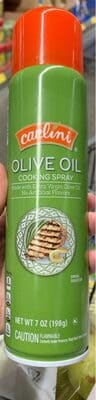
Olive oils
Aldi Olive Oil Cooking Spray
7 oz
Score
- Ultra-processed
- No additives
- Seed-oil free
Why it scores 82
Aldi Olive Oil Cooking Spray scores 82 out of 100 (Excellent) under GoodSwap’s published rules. What moved the score most:
- minus 18 points Ultra-processed (NOVA 4): Classified NOVA 4: made with industrial ingredients and additives. Strong
Every line of the math is on The Receipt below, with its evidence tier and sources.
Better cooking sprays
-
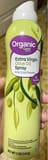 Extra Virgin Olive Oil Spray Great Value · 5 oz Not ultra-processed Score 100 out of 100 , 18 points higher
 -
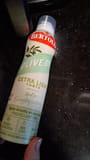 100% Extra Light Tasting Olive Oil Spray Bertolli · 4.9 fl oz/145 mL Not ultra-processed Score 100 out of 100 , 18 points higher
 -
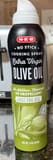 No stick cooking spray extra-virgin olive oil H-E-B · 5 oz Not ultra-processed Score 100 out of 100 , 18 points higher
 -
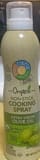 Organic nonstick cooking spray extra-virgin olive oil Full Circle Market · 5 oz/141 g Not ultra-processed Score 100 out of 100 , 18 points higher
 -
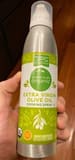 Extra virgin olive oil cooking spray Simple Truth Organic · 5 fl oz/147 mL Not ultra-processed Score 100 out of 100 , 18 points higher
The same kind of product, at least 10 points higher, sold in the US. Never paid placements.
The Receipt
Olive Oil Cooking Spray
Processing
- Ultra-processed (NOVA 4) minus 18 points
100 − 18 = 82
Nutrition per 100 g
| Energy | 0 kcal |
|---|---|
| Fat | 0 g |
| Saturated fat | 0 g |
| Trans fat | 0 g |
| Carbohydrates | 0 g |
| Sugars | 0 g |
| Fiber | 0 g |
| Protein | 0 g |
| Salt | 0 g |
Serving: 0.25 spray (0.25 g)
Ingredients
- extra virgin olive oil
- quot (not recognized)
- soy lecthn (not recognized)
- dimethyl silicone (for anti-foaming) (not recognized)
Label text, as published
extra virgin olive oil,quot,, soy lecthn, dimethyl silicone (for anti-foaming), contains: soy, also contains propellant to dispense spray, *adds a trivial amount of fat
Allergens and diets
Contains: Soy
Always check the package: recipes change.
More olive oils on GoodSwap
-
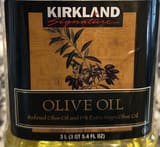 Olive Oil Kirkland · 3 L No additivesSeed-oil free Score 100 out of 100 Excellent
 -
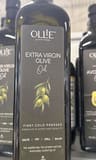 Ollio Ollie No additivesSeed-oil free Score 100 out of 100 Excellent
 -
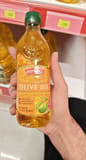 Olive Oil Carlini No additivesSeed-oil free Score 100 out of 100 Excellent
 -
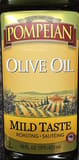 Pompeii Olive Oil Mild Pompeian No additivesSeed-oil free Score 100 out of 100 Excellent
 -
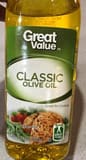 Classic Olive Oil Great Value · 17 fl oz/502 mL No additivesSeed-oil free Score 100 out of 100 Excellent
 -
 Light Tasting Olive Oil Great Value · 17 fl oz/502 mL No additivesSeed-oil free Score 100 out of 100 Excellent
More from Aldi
Sources
-
“Greater exposure to ultra-processed food was associated with a higher risk of adverse health outcomes, especially cardiometabolic, common mental disorder, and mortality outcomes.”
doi.org