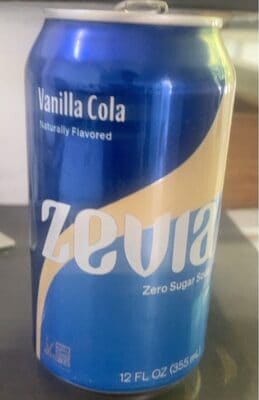
Colas
Zevia Vanilla Cola
12 fl oz/355 mL
Score
- Ultra-processed
- Contains non-nutritive sweeteners
- Contains caffeine
Why it scores 73
Zevia Vanilla Cola scores 73 out of 100 (Good) under GoodSwap’s published rules. What moved the score most:
- minus 18 points Ultra-processed (NOVA 4): Classified NOVA 4: made with industrial ingredients and additives. Strong
- minus 2.5 points Natural flavors: "Natural flavor" is a legal category (21 CFR 101.22(a)(3)): flavor substances from spices, fruits, vegetables, meat, dairy or fermentation. Info
- minus 2.5 points Stevia (steviol glycosides): WHO (2023) recommends against using non-sugar sweeteners to control body weight (conditional recommendation); US dietary guidelines advise limiting them. Emerging
Every line of the math is on The Receipt below, with its evidence tier and sources.
Better sodas
-
 Mineragua Jarritos Not ultra-processed · No non-nutritive sweeteners Score 100 out of 100 , 27 points higher
 -
 Lavender Cucumber Aura Bora Not ultra-processed · No non-nutritive sweeteners Score 100 out of 100 , 27 points higher
 -
 Ultradopa Dopa Cola Not ultra-processed · No non-nutritive sweeteners Score 98 out of 100 , 25 points higher
 -
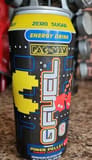 GFuel Power Pellet G Fuel · 16 fl oz/1 PT/473 mL Not ultra-processed · No non-nutritive sweeteners Score 95 out of 100 , 22 points higher
 -
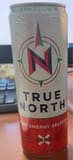 Watermelon mist True North · 12 fl oz Not ultra-processed · No non-nutritive sweeteners Score 95 out of 100 , 22 points higher
The same kind of product, at least 10 points higher, sold in the US. Never paid placements.
The Receipt
Vanilla Cola
Ingredients
- Natural flavors minus 2.5 points
- Stevia (steviol glycosides) minus 2.5 points
- Caffeine minus 2.5 points
Processing
- Ultra-processed (NOVA 4) minus 18 points
- 2 kinds of ultra-processing markers minus 1.5 points
100 − 27 = 73
Nutrition per 100 ml
| Energy | 0 kcal |
|---|---|
| Fat | 0 g |
| Carbohydrates | 0 g |
| Sugars | 0 g |
| Added sugars | 0 g |
| Protein | 0 g |
| Salt | 0 g |
Serving: 1 can (354.882 g)
Ingredients
Label text, as published
Carbonated water, natural flavors, stevia leaf extract, tartaric acid, caffeine, citric acid.
Allergens and diets
- Vegan
- Vegetarian
- Palm-oil-free
Always check the package: recipes change.
More colas on GoodSwap
-
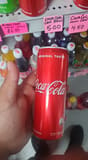 Coca cola can cokes LG Coca-Cola · 355 g Ultra-processedContains added sugarsContains caffeineNo synthetic dyes Score 17 out of 100 Bad
 -
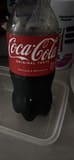 Coke 20z Coke · 20 fl oz (591 mL) Ultra-processedContains added sugarsContains caffeineNo synthetic dyes Score 17 out of 100 Bad
 -
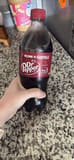 Dr Pepper Dr Pepper · 20 oz (1.25 PT) (591 mL) Ultra-processedContains added sugarsContains caffeineContains artificial flavors Score 12 out of 100 Bad
 -
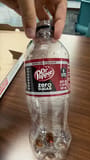 Dr Pepper Zero Sugar Dr Pepper · 20 oz Ultra-processedContains non-nutritive sweetenersContains caffeineContains artificial flavors Score 29 out of 100 Poor
 -
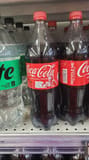 Coca-Cola Original Taste Coke · 42.2 fl oz Ultra-processedContains added sugarsContains caffeineNo synthetic dyes Score 17 out of 100 Bad
 -
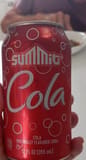 Summit cola Summit Ultra-processedHigh in sugarContains added sugarsContains caffeine Score 16 out of 100 Bad
More from Zevia
Sources
-
21 CFR 101.22 Foods; labeling of spices, flavorings, colorings and chemical preservatives
“whose significant function in food is flavoring rather than nutritional.”
ecfr.gov
-
WHO advises not to use non-sugar sweeteners for weight control in newly released guideline
“The recommendation is based on the findings of a systematic review of the available evidence which suggests that use of NSS does not confer any long-term benefit in reducing body fat in adults or children.”
who.int
-
Dietary Guidelines for Americans, 2025–2030
“Limit foods and beverages that include artificial flavors, petroleum-based dyes, artificial preservatives, and low-calorie non-nutritive sweeteners.”
cdn.realfood.gov
-
Spilling the Beans: How Much Caffeine is Too Much?
“For most adults, the FDA has cited 400 milligrams* a day — that's about two to three 12-fluid-ounce cups of coffee — as an amount not generally associated with negative effects.”
fda.gov
-
Caffeine (EFSA topic page; Scientific Opinion on the safety of caffeine, 2015)
“Caffeine intakes from all sources up to 200mg per day consumed throughout the day do not raise safety concerns for the foetus.”
efsa.europa.eu
-
“Greater exposure to ultra-processed food was associated with a higher risk of adverse health outcomes, especially cardiometabolic, common mental disorder, and mortality outcomes.”
doi.org
-
Regulation (EU) No 1169/2011, Annex III point 4.1 (beverages with high caffeine content)
“‘High caffeine content. Not recommended for children or pregnant or breast-feeding women’”
eur-lex.europa.eu