
Condiments
Saver Brands Movie Theater Butter Flavored Spritzer
5.0 oz
Score
- Ultra-processed
- Contains seed oils
- No synthetic dyes
Why it scores 76
Saver Brands Movie Theater Butter Flavored Spritzer scores 76 out of 100 (Good) under GoodSwap’s published rules. What moved the score most:
- minus 18 points Ultra-processed (NOVA 4): Classified NOVA 4: made with industrial ingredients and additives. Strong
- minus 2.5 points Soybean oil: High in omega-6 linoleic acid. Emerging
- minus 2.5 points Natural flavors: "Natural flavor" is a legal category (21 CFR 101.22(a)(3)): flavor substances from spices, fruits, vegetables, meat, dairy or fermentation. Info
Every line of the math is on The Receipt below, with its evidence tier and sources.
The Receipt
Movie Theater Butter Flavored Spritzer
Ingredients
- Soybean oil minus 2.5 points
- Natural flavors minus 2.5 points
Processing
- Ultra-processed (NOVA 4) minus 18 points
- 2 kinds of ultra-processing markers minus 1.5 points
100 − 24.5 = 75.5 → 76
Nutrition per 100 g
| Energy | 0 kcal |
|---|---|
| Fat | 0 g |
| Saturated fat | 0 g |
| Trans fat | 0 g |
| Carbohydrates | 0 g |
| Protein | 0 g |
| Salt | 0 g |
Serving: .5g
Ingredients
Label text, as published
Soybean oil, natural butter flavor, beta carotene (for color), milk.
Allergens and diets
Contains: Milk, Soy
- Not vegan
- Palm-oil-free
Always check the package: recipes change.
More condiments on GoodSwap
-
 Original Creole Seasoning Tony Chachere's · 227 g Score 87 out of 100 Excellent
 -
 Baking Powder Clabber Girl · 8.1 oz (230 g) High in salt Score 79 out of 100 Good
 -
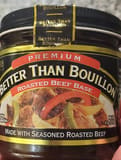 Roasted Beef Base Better Than Bouillon · 8 oz Ultra-processedHigh in saltContains added sugarsContains seed oils Score 8 out of 100 Bad
 - Sea Salt Flakes Maldon High in saltNo additives Score 79 out of 100 Good
-
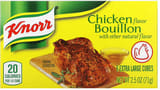 Chicken Flavor Bouillon Knorr Ultra-processedHigh in saltHigh in saturated fatContains added sugars Score 5 out of 100 Bad
 -
 Caldo Sabor A Poll242 Nestlé · 2.96 oz Ultra-processedHigh in saltHigh in saturated fatContains added sugars Score 15 out of 100 Bad
Sources
-
“replacement of saturated fat in the diet with linoleic acid effectively lowers serum cholesterol but does not support the hypothesis that this translates to a lower risk of death from coronary heart disease or all causes.”
doi.org
-
“These data provide support for current recommendations to replace saturated fat with polyunsaturated fat for primary prevention of CHD.”
doi.org
-
21 CFR 101.22 Foods; labeling of spices, flavorings, colorings and chemical preservatives
“whose significant function in food is flavoring rather than nutritional.”
ecfr.gov
-
“Greater exposure to ultra-processed food was associated with a higher risk of adverse health outcomes, especially cardiometabolic, common mental disorder, and mortality outcomes.”
doi.org