Seaweed products
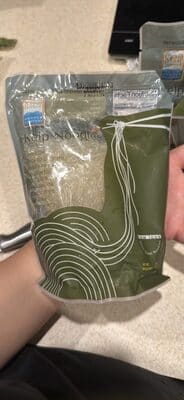
Sea Tangle Noodle Company Kelp Noodles
340 g
Score
- Ultra-processed
Why it scores 80
Sea Tangle Noodle Company Kelp Noodles scores 80 out of 100 (Excellent) under GoodSwap’s published rules. What moved the score most:
- minus 18 points Ultra-processed (NOVA 4): Classified NOVA 4: made with industrial ingredients and additives. Strong
- minus 2.5 points Sodium alginate: An ingredient class typical of ultra-processed foods (NOVA group 4). Info
Every line of the math is on The Receipt below, with its evidence tier and sources.
Better rice and Asian noodles
-
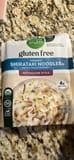 Organic Shirataki Noodles Fettucine Style Simple Truth · 200 g Not ultra-processed · No sodium alginate Score 100 out of 100 , 20 points higher
 -
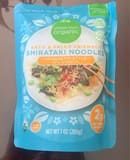 Shirataki Noodles Simple Truth Organic · 7 oz Not ultra-processed · No sodium alginate Score 100 out of 100 , 20 points higher
 -
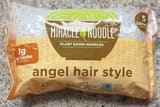 Angel Hair Style Miracle Noodle · 7 oz/200 g Not ultra-processed · No sodium alginate Score 100 out of 100 , 20 points higher
 -
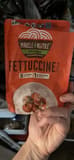 Fettuccine Style Plant Based Noodles Miracle Noodle · 7 oz/200 g Not ultra-processed · No sodium alginate Score 100 out of 100 , 20 points higher
 -
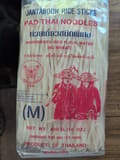 Jantaboon Rice Sticks Butterfly Brand Not ultra-processed · No sodium alginate Score 100 out of 100 , 20 points higher
The same kind of product, at least 10 points higher, sold in the US. Never paid placements.
The Receipt
Kelp Noodles
START100
Ingredients
- Sodium alginate minus 2.5 points
subtotal−2.5
Processing
- Ultra-processed (NOVA 4) minus 18 points
subtotal−18
TOTAL 80Excellent
100 − 20.5 = 79.5 → 80
Nutrition per 100 g
| Energy | 5 kcal |
|---|---|
| Fat | 0 g |
| Saturated fat | 0 g |
| Trans fat | 0 g |
| Carbohydrates | 2.7 g |
| Sugars | 0 g |
| Added sugars | 0 g |
| Fiber | 0.9 g |
| Protein | 0 g |
| Salt | 0.1 g |
Serving: 1/2 cup (113 g)
Ingredients
High Moderate Not recognized Tap an ingredient for its evidence and rules.
Label text, as published
water, kelp, sodium alginate
Allergens and diets
- Vegan
- Vegetarian
- Gluten-free
- Palm-oil-free
Always check the package: recipes change.
More seaweed products on GoodSwap
-
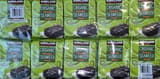 Organic Roasted Seaweed Snack Kirkland · 17 g High in saltContains seed oilsCertified organicNo additives Score 79 out of 100 Good
 -
 Organic Roasted Seaweed with Sea Salt Trader Joe's High in saltContains seed oilsNo additives Score 79 out of 100 Good
 -
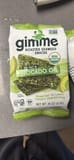 Roasted Seaweed Snacks Sea Salt & Avocado Oil Gimme · 16 oz Certified organicNo additivesSeed-oil free Score 79 out of 100 Good
Sources
-
“Greater exposure to ultra-processed food was associated with a higher risk of adverse health outcomes, especially cardiometabolic, common mental disorder, and mortality outcomes.”
doi.org