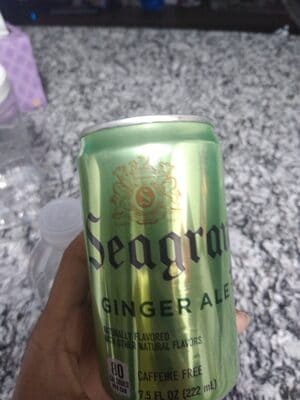
Sodas
Seagram's Ginger Ale
Score
- No synthetic dyes
Why it scores 61
Seagram's Ginger Ale scores 61 out of 100 (Good) under GoodSwap’s published rules. What moved the score most:
- minus 20 points Caramel color: The FDA says classes III and IV, which can contain 4-MEI, are the most commonly used food color additives by volume. Regulatory
- minus 14 points Sugars 9.5 g / 100 ml: Very high in sugar. Strong
- minus 3 points Energy 36 kcal / 100 ml: Energy-dense for its volume. Info
Every line of the math is on The Receipt below, with its evidence tier and sources.
Better sodas
-
 Ginger Ale Soda Spindrift No caramel color Score 94 out of 100 , 33 points higher
 -
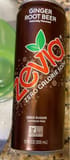 Ginger Root Beer Zevia · 12 fl oz No caramel color Score 95 out of 100 , 34 points higher
 -
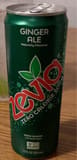 Ginger ale Zevia · 12 fl oz No caramel color Score 95 out of 100 , 34 points higher
 -
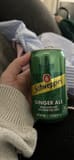 Ginger Ale Schweppes No caramel color Score 79 out of 100 , 18 points higher
 -
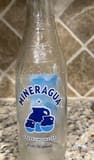 Mineragua Jarritos No caramel color Score 100 out of 100 , 39 points higher
The same kind of product, at least 10 points higher, sold in the US. Never paid placements.
The Receipt
Ginger Ale
Ingredients
- Caramel color minus 20 points
- Natural flavors minus 2.5 points
Nutrition per 100 ml
- Sugars 9.5 g / 100 ml minus 14 points
- Energy 36 kcal / 100 ml minus 3 points
100 − 39.5 = 60.5 → 61
Can’t score above 79. Contains caramel color, an ingredient of high concern. [1][2][3][4]
Nutrition per 100 ml
| Energy | 36 kcal |
|---|---|
| Fat | 0 g |
| Saturated fat | 0 g |
| Carbohydrates | 9.5 g |
| Sugars | 9.5 g |
| Added sugars | 0 g |
| Protein | 0 g |
| Salt | 0 g |
Serving: 7.5 OZA (222 ml)
Ingredients
- 80 not a significant soue fat (not recognized)
- trans fat (not recognized)
- chol d (not recognized)
- calcium
- iron ann per serving carbonated water
- high fructose gorn strif ginger extract with other natural flavors sorbate (to protect taste)
- caramel color sid benzoate (to protect taste) canned under authority of the coca-cola atlanta (high concern)
- ga 30313 by a member of the cod bottlers' association (not recognized)
- atlanta (not recognized)
- sa 30327 seagram's and the seagram's crest design are registered trademarks of ldi (cayman) ltd and used under license (not recognized)
- e2019 ldi (cayman) ltd (not recognized)
- consumer information call 1-866-670-7249 please recycle smartiabel scan here for more food information 6pk (not recognized)
Label text, as published
mt/senving total fat in sodium 25mg total carb, total sugars 21g incl, 21g adte s protein ig facts serv, size 1 can calories 80 not a significant soue fat, trans fat, chol d, calcium, iron ann per serving carbonated water, high fructose gorn strif ginger extract with other natural flavors sorbate (to protect taste), caramel color sid benzoate (to protect taste) canned under authority of the coca-cola atlanta, ga 30313 by a member of the cod bottlers' association, atlanta, sa 30327 seagram's and the seagram's crest design are registered trademarks of ldi (cayman) ltd and used under license, e2019 ldi (cayman) ltd, consumer information call 1-866-670-7249 please recycle smartiabel scan here for more food information 6pk
More sodas on GoodSwap
-
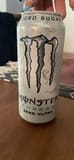 Zero Ultra Monster Energy · 1 can (16 oz) Ultra-processedContains non-nutritive sweetenersContains sugar alcoholsContains caffeine Score 51 out of 100 Okay
 -
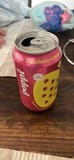 Strawberry Lemonade Prebiotic Soda Poppi · 355 mL / 12 oz Ultra-processedContains non-nutritive sweetenersContains added sugars Score 49 out of 100 Okay
 -
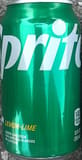 Soda Lemon-lime Sprite · 12 fl oz (355 mL) Ultra-processedContains added sugars Score 34 out of 100 Poor
 -
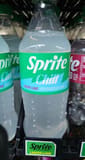 Sprite Chili Cherry Lime Sprite Ultra-processedHigh in sugarContains added sugars Score 31 out of 100 Poor
 -
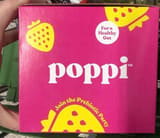 Strawberry Lemon Prebiotic Soda Poppi · 12 fl oz/355 mL Ultra-processedContains non-nutritive sweetenersContains added sugars Score 52 out of 100 Okay
 -
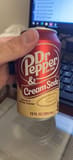 Dr Pepper & Cream Soda Dr Pepper · 355 mL Ultra-processedContains added sugarsContains caffeineContains artificial flavors Score 12 out of 100 Bad
More from Seagram's
Sources
-
Questions & Answers About 4-MEI
“Based on current science, the FDA has no reason to believe that there are any immediate or short-term health risks presented by 4-MEI at the levels expected in food.”
fda.gov
-
Agents Classified by the IARC Monographs, Volumes 1–142 (List of Classifications)
monographs.iarc.who.int
-
Proposition 65 List of Chemicals Known to the State to Cause Cancer or Reproductive Toxicity
“The date refers to the initial appearance of the chemical on the list.”
oehha.ca.gov
-
21 CFR 101.22 Foods; labeling of spices, flavorings, colorings and chemical preservatives
“whose significant function in food is flavoring rather than nutritional.”
ecfr.gov
-
Guideline: sugars intake for adults and children
“In both adults and children, WHO recommends reducing the intake of free sugars to less than 10% of total energy intake”
who.int
-
Dietary Guidelines for Americans, 2025–2030
“Limit foods and beverages that include artificial flavors, petroleum-based dyes, artificial preservatives, and low-calorie non-nutritive sweeteners.”
cdn.realfood.gov