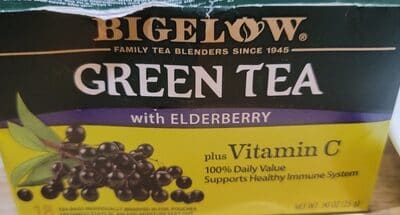
Teas
Bigelow Green Tea with Elderberry
.90 oz/25 g
Score
- Contains caffeine
Why it scores 98
Bigelow Green Tea with Elderberry scores 98 out of 100 (Excellent) under GoodSwap’s published rules. What moved the score most:
- minus 2.5 points Natural flavors: "Natural flavor" is a legal category (21 CFR 101.22(a)(3)): flavor substances from spices, fruits, vegetables, meat, dairy or fermentation. Info
Every line of the math is on The Receipt below, with its evidence tier and sources.
The Receipt
Green Tea with Elderberry
Ingredients
- Natural flavors minus 2.5 points
100 − 2.5 = 97.5 → 98
Nutrition per 100 g
| Energy | 0 kcal |
|---|---|
| Fat | 0 g |
| Carbohydrates | 0 g |
| Added sugars | 0 g |
| Protein | 0 g |
| Salt | 0 g |
Serving: 1 portion (1.38 g)
Ingredients
- green tea
- hibiscus
- rose hips
- licorice root
- ascorbic acid (Vitamin C)
- elderberry
- natural blackberry flavor with other natural flavors
Label text, as published
green tea, hibiscus, rose hips, licorice root, ascorbic acid (Vitamin C), elderberry, natural blackberry flavor with other natural flavors
Allergens and diets
- Palm-oil-free
Always check the package: recipes change.
More teas on GoodSwap
-
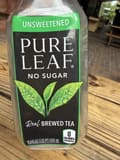 Pure Leaf Unsweetened Real Brewed Tea Pure Leaf · 500 mL Contains caffeine Score 100 out of 100 Excellent
 -
 Honey Citron & Ginger Tea Balance Grow · 48 oz Ultra-processedHigh in sugarContains added sugarsContains emulsifiers studied for gut effects Score 18 out of 100 Bad
 -
 Skinny Chai Latte Tazo · 32 fl oz/1 Quart/946 mL Ultra-processedContains added sugarsContains caffeine Score 37 out of 100 Poor
 -
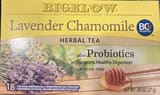 Lavender chamomile herbal tea Bigelow · .98 oz/27 g Score 98 out of 100 Excellent
 -
 Strawberry Lemnade Green Tea Del Monte · 12 fl oz Ultra-processedContains added sugarsContains emulsifiers studied for gut effectsContains caffeine Score 39 out of 100 Poor
 -
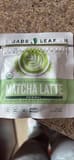 Matcha Latte Jade Leaf · 3.5 oz/100 g High in sugarContains added sugarsContains caffeineCertified organic Score 60 out of 100 Good
More from Bigelow
Sources
-
21 CFR 101.22 Foods; labeling of spices, flavorings, colorings and chemical preservatives
“whose significant function in food is flavoring rather than nutritional.”
ecfr.gov
-
Spilling the Beans: How Much Caffeine is Too Much?
“For most adults, the FDA has cited 400 milligrams* a day — that's about two to three 12-fluid-ounce cups of coffee — as an amount not generally associated with negative effects.”
fda.gov
-
Regulation (EU) No 1169/2011, Annex III point 4.1 (beverages with high caffeine content)
“‘High caffeine content. Not recommended for children or pregnant or breast-feeding women’”
eur-lex.europa.eu