Colas
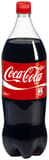
Coca Cola
2 L (2 qt 3.6 fl oz) 676.FL OZ
Score
- Ultra-processed
- No additives
Why it scores 63
Coca Cola scores 63 out of 100 (Good) under GoodSwap’s published rules. What moved the score most:
- minus 18 points Ultra-processed (NOVA 4): Classified NOVA 4: made with industrial ingredients and additives. Strong
- minus 14 points Sugars 11 g / 100 ml: Very high in sugar. Strong
- minus 3 points Energy 39 kcal / 100 ml: Energy-dense for its volume. Info
Every line of the math is on The Receipt below, with its evidence tier and sources.
Better sodas
-
 Ultradopa Dopa Cola Not ultra-processed Score 98 out of 100 , 35 points higher
 -
 Mineragua Jarritos Not ultra-processed Score 100 out of 100 , 37 points higher
 -
 Lavender Cucumber Aura Bora Not ultra-processed Score 100 out of 100 , 37 points higher
 -
 Jarritos Mandarin Not ultra-processed Score 96 out of 100 , 33 points higher
 -
 Ginger Ale Soda Spindrift Not ultra-processed Score 94 out of 100 , 31 points higher
The same kind of product, at least 10 points higher, sold in the US. Never paid placements.
The Receipt
Coca Cola
Ingredients
- Natural flavors minus 2.5 points
Processing
- Ultra-processed (NOVA 4) minus 18 points
Nutrition per 100 ml
- Sugars 11 g / 100 ml minus 14 points
- Energy 39 kcal / 100 ml minus 3 points
100 − 37.5 = 62.5 → 63
Nutrition per 100 ml
| Energy | 39 kcal |
|---|---|
| Fat | 0 g |
| Saturated fat | 0 g |
| Trans fat | 0 g |
| Carbohydrates | 11 g |
| Sugars | 11 g |
| Added sugars | 11 g |
| Fiber | 0 g |
| Protein | 0 g |
| Salt | 0 g |
Serving: 67.6.FL OZ (2 LITER)
Ingredients
- CARBONATED WATER HIGH FRUCTOSE CORN SYRUP CARAMEL COLOR PHOSPHORIC ACID (not recognized)
- NATURAL FLAVORS
- CAFFEINE CAFFEINE CONTENT:34 mg/12fl oz (not recognized)
Label text, as published
CARBONATED WATER HIGH FRUCTOSE CORN SYRUP CARAMEL COLOR PHOSPHORIC ACID, NATURAL FLAVORS, CAFFEINE CAFFEINE CONTENT:34 mg/12fl oz
Packaging
Pet 1 polyethylene terephthalate
Context only: no points in v1.
More colas on GoodSwap
-
 Coca cola can cokes LG Coca-Cola · 355 g Ultra-processedContains added sugarsContains caffeineNo synthetic dyes Score 17 out of 100 Bad
 -
 Coke 20z Coke · 20 fl oz (591 mL) Ultra-processedContains added sugarsContains caffeineNo synthetic dyes Score 17 out of 100 Bad
 -
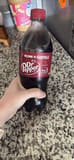 Dr Pepper Dr Pepper · 20 oz (1.25 PT) (591 mL) Ultra-processedContains added sugarsContains caffeineContains artificial flavors Score 12 out of 100 Bad
 -
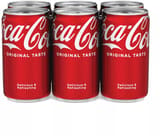 Coca-Cola Original Taste Coke · 45 fl oz Ultra-processedHigh in sugarContains added sugarsContains caffeine Score 17 out of 100 Bad
 -
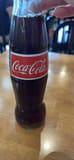 Coca-Cola Coca-Cola · 355 mL Ultra-processedContains added sugarsContains caffeineNo synthetic dyes Score 18 out of 100 Bad
 -
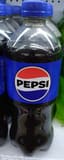 Pepsi Pepsi · 20 oz Ultra-processedHigh in sugarContains added sugarsContains caffeine Score 12 out of 100 Bad
More from Coca-Cola

Sources
-
21 CFR 101.22 Foods; labeling of spices, flavorings, colorings and chemical preservatives
“whose significant function in food is flavoring rather than nutritional.”
ecfr.gov
-
Guideline: sugars intake for adults and children
“In both adults and children, WHO recommends reducing the intake of free sugars to less than 10% of total energy intake”
who.int
-
Dietary Guidelines for Americans, 2025–2030
“Limit foods and beverages that include artificial flavors, petroleum-based dyes, artificial preservatives, and low-calorie non-nutritive sweeteners.”
cdn.realfood.gov
-
“Greater exposure to ultra-processed food was associated with a higher risk of adverse health outcomes, especially cardiometabolic, common mental disorder, and mortality outcomes.”
doi.org