Food
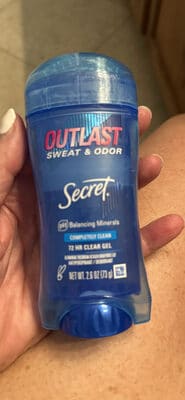
Secret Outlast Sweat & Odor
Score
- No additives
Why it scores 79
Secret Outlast Sweat & Odor scores 79 out of 100 (Good) under GoodSwap’s published rules. What moved the score most:
- plus 3 points No additives: No food additives in the ingredient list. Info
- minus 2.5 points Aluminum chlorohydrate: The US National Cancer Institute says no scientific evidence links antiperspirant use to breast cancer. Strong
Capped at 79: No nutrition facts on file, so we can't confirm excellent.
Every line of the math is on The Receipt below, with its evidence tier and sources.
The Receipt
Outlast Sweat & Odor
START100
Ingredients
- Aluminum chlorohydrate minus 2.5 points
subtotal−2.5
Nutrition
- Nutrition facts unavailable no points
subtotal0
Bonuses
- No additives plus 3 points
subtotal+3
TOTAL 79Good
100 + 0.5 = 100.5 → 100 → capped at 79
Capped at 79. No nutrition facts on file, so we can't confirm excellent.
Ingredients
High Moderate Not recognized Tap an ingredient for its evidence and rules.
Label text, as published
Aluminum zirconium octachlorohydrex gly 17.9% (anhydrous)
Allergens and diets
- Palm-oil-free
Always check the package: recipes change.
Sources
-
Antiperspirants/Deodorants and Breast Cancer
“However, no scientific evidence links the use of these products to the development of breast cancer.”
cancer.gov